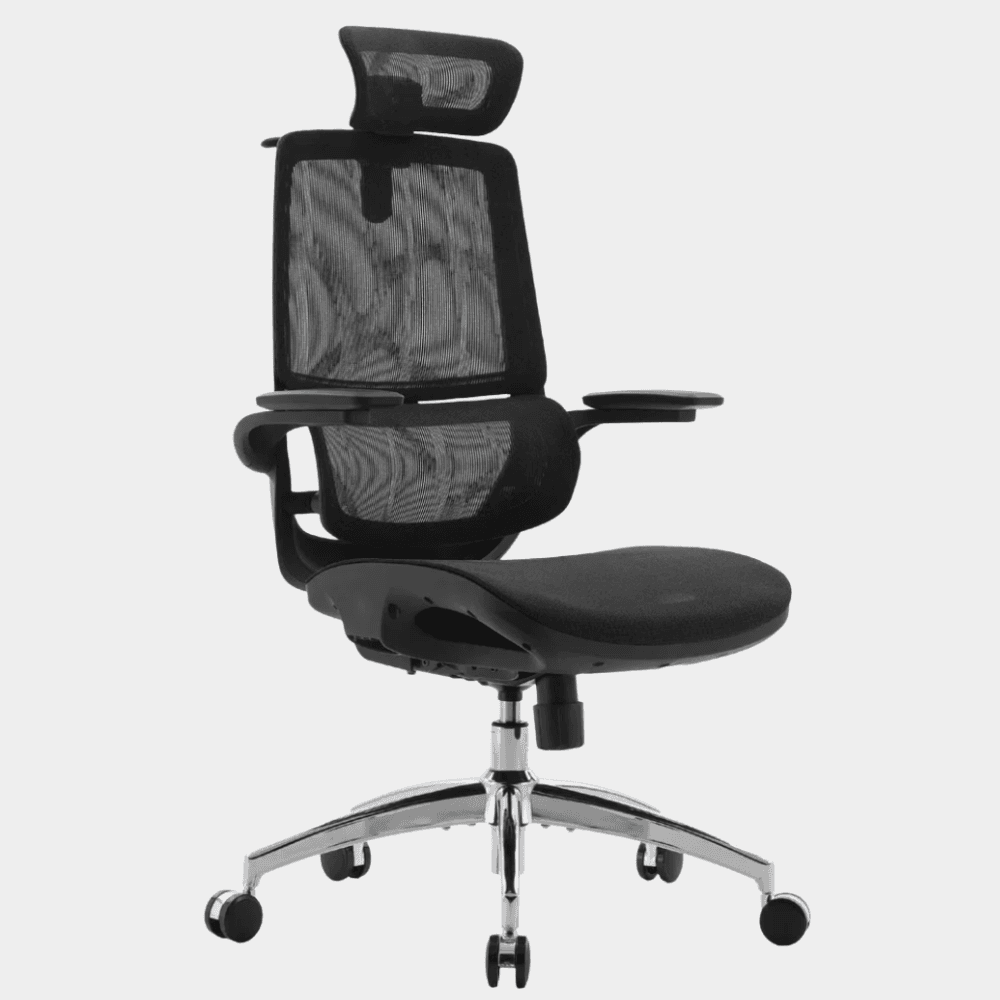
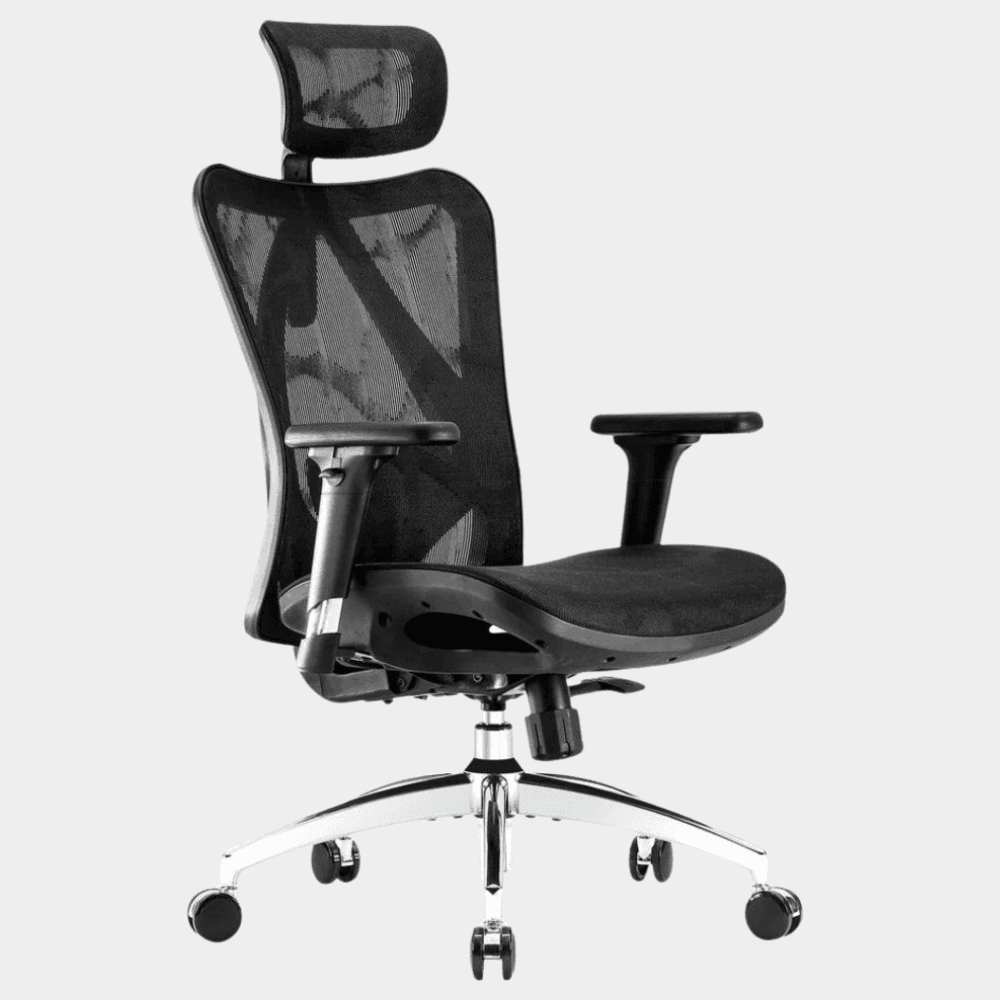
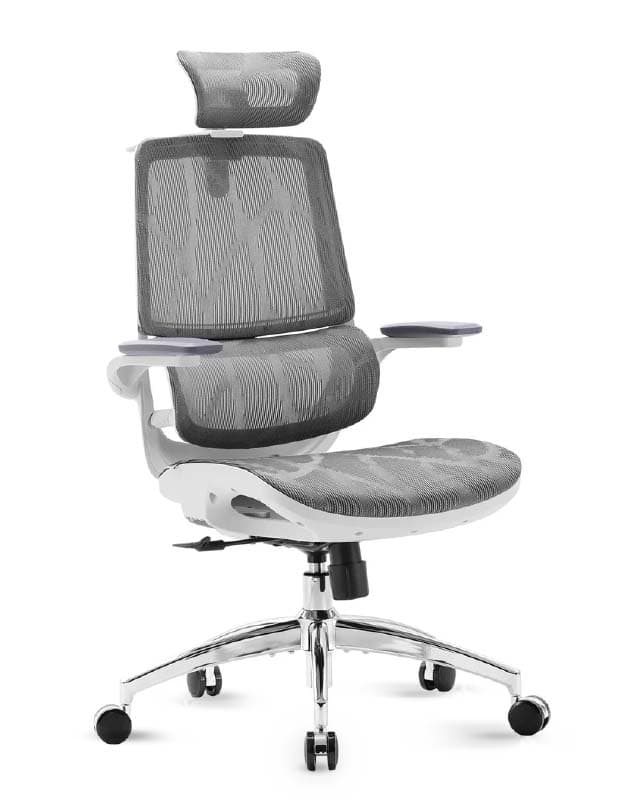
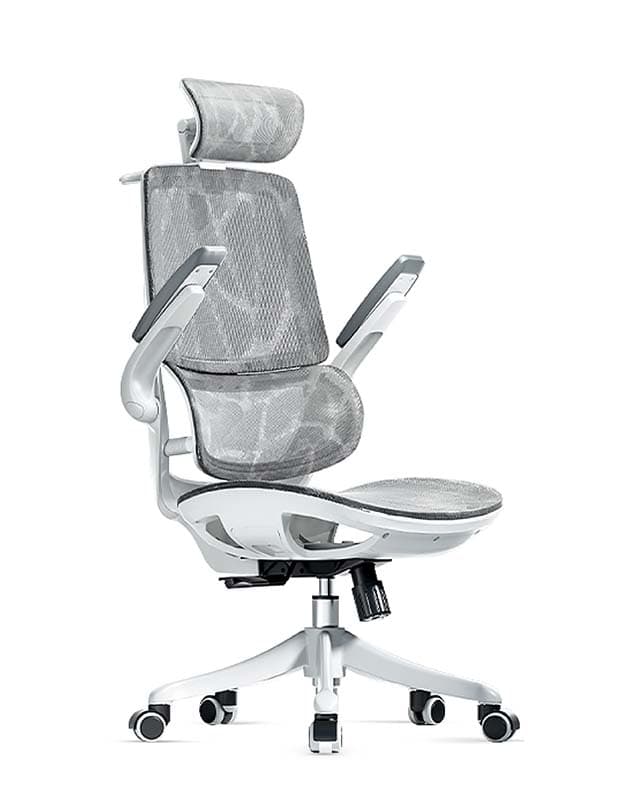
"Gaming chair or ergonomic chair: which is better?" is a question gamers, streamers and home workers ask all the time. The short answer is that it depends on what you do in the chair, how long you sit and your body. But if the goal is "sit for hours without a sore back", the differences between the two are real. This guide sets them out as fairly as we can.
Quick definitions
- Gaming chair: inspired by racing-car seats, usually with side bolsters on the back and seat, PU faux-leather upholstery, strap-on neck and lumbar pillows, and a deep recline.
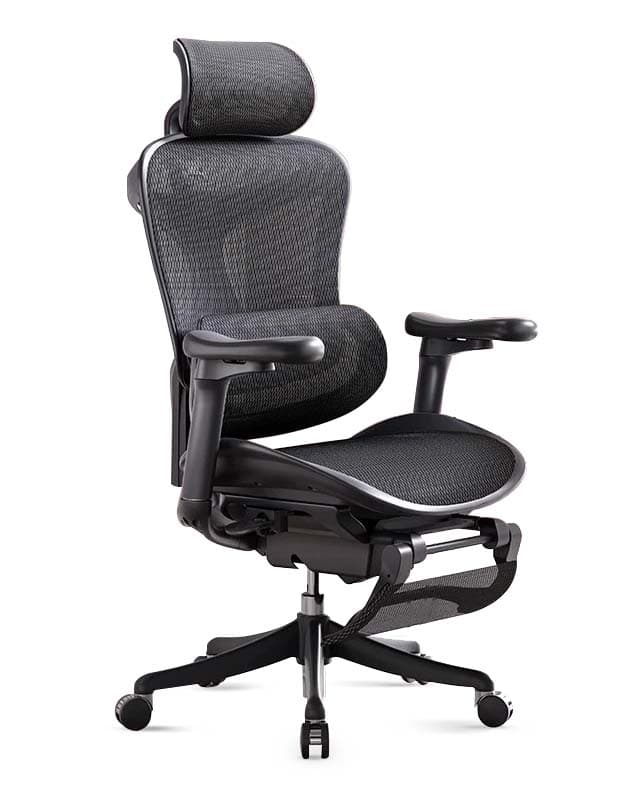
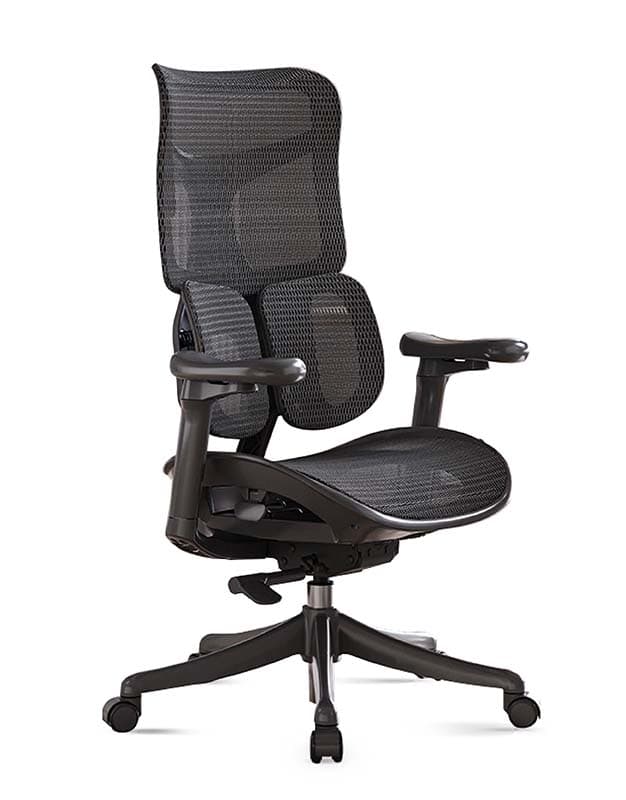
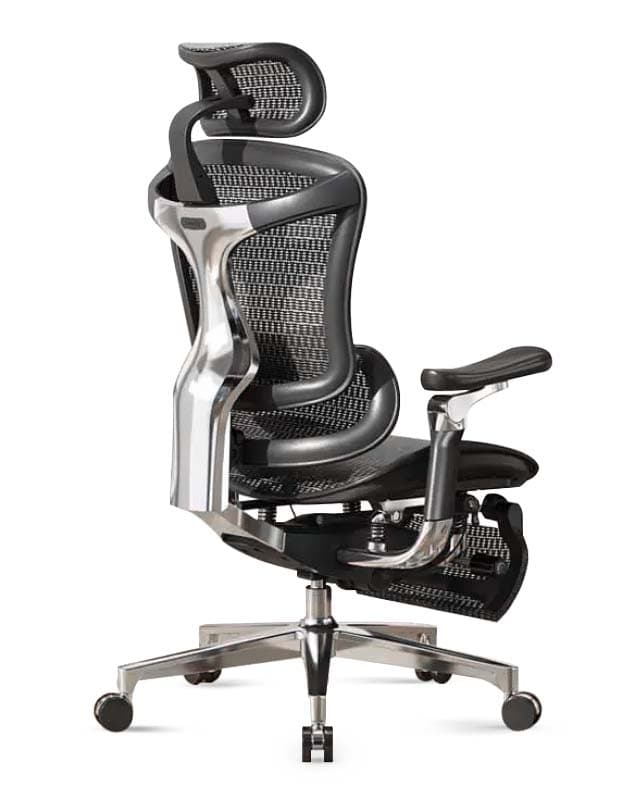
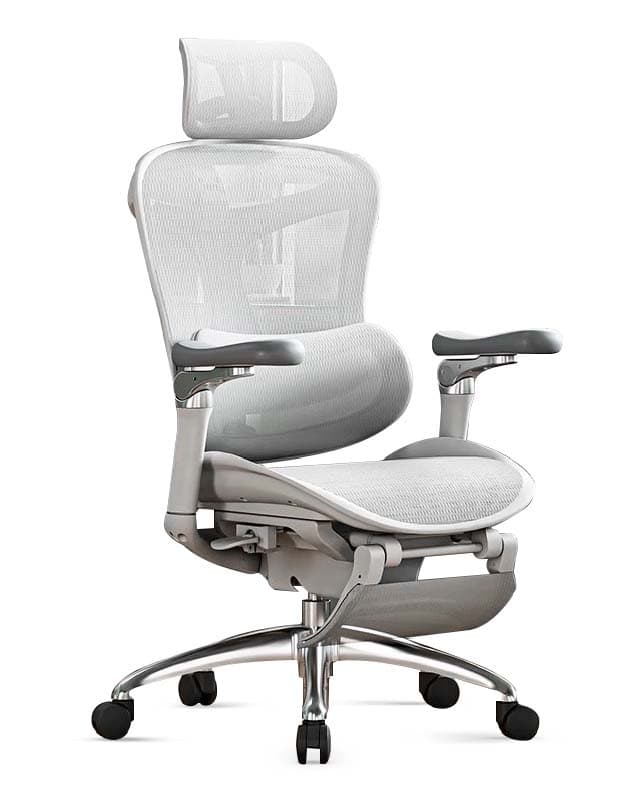
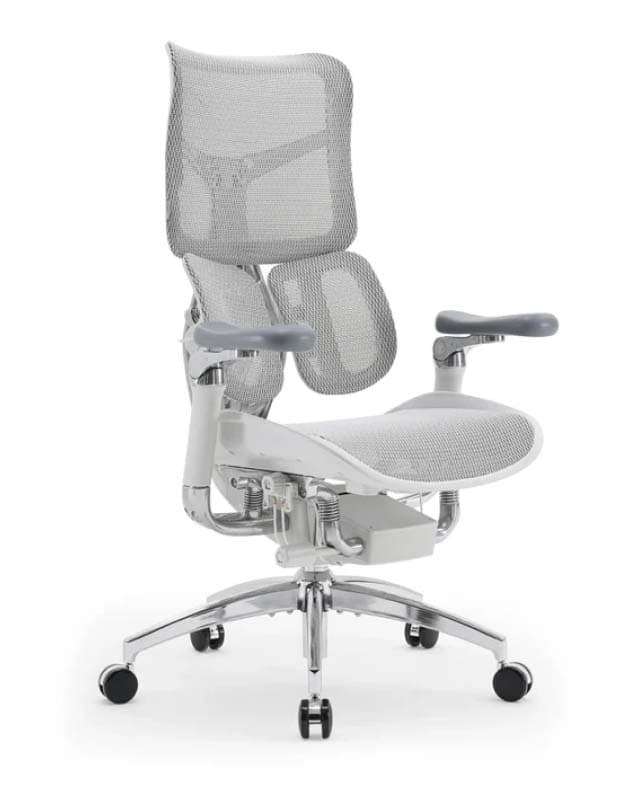
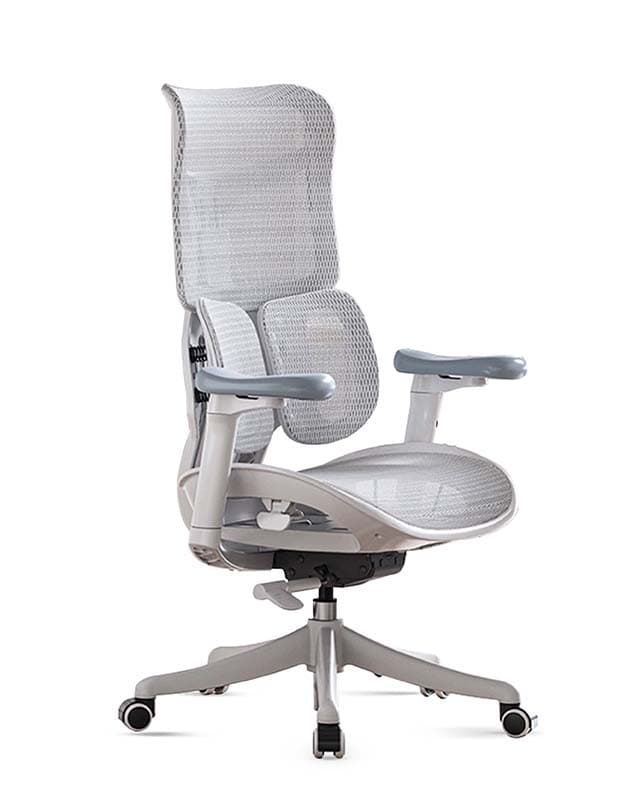
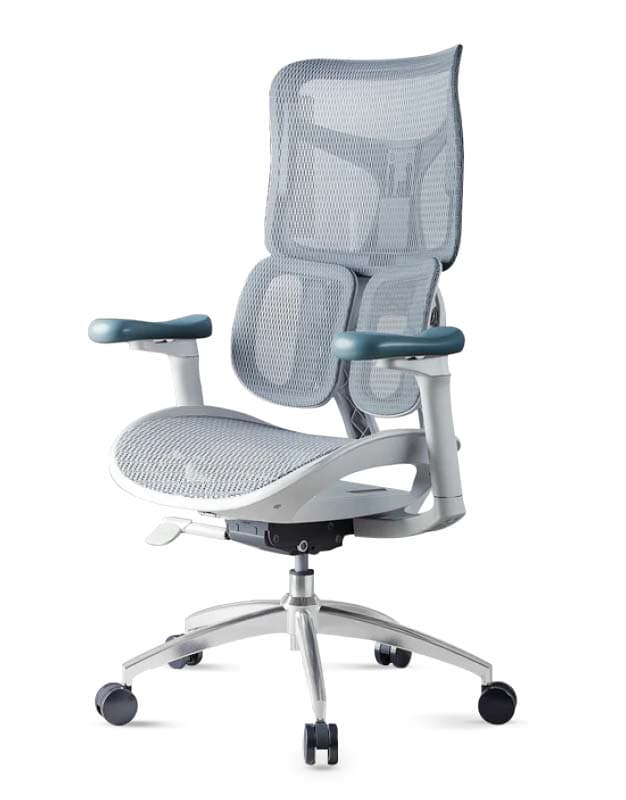
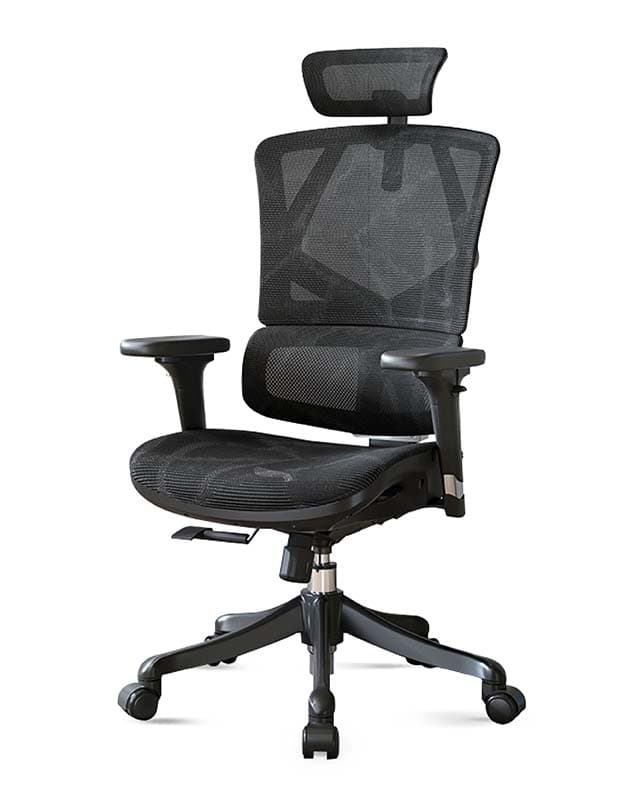
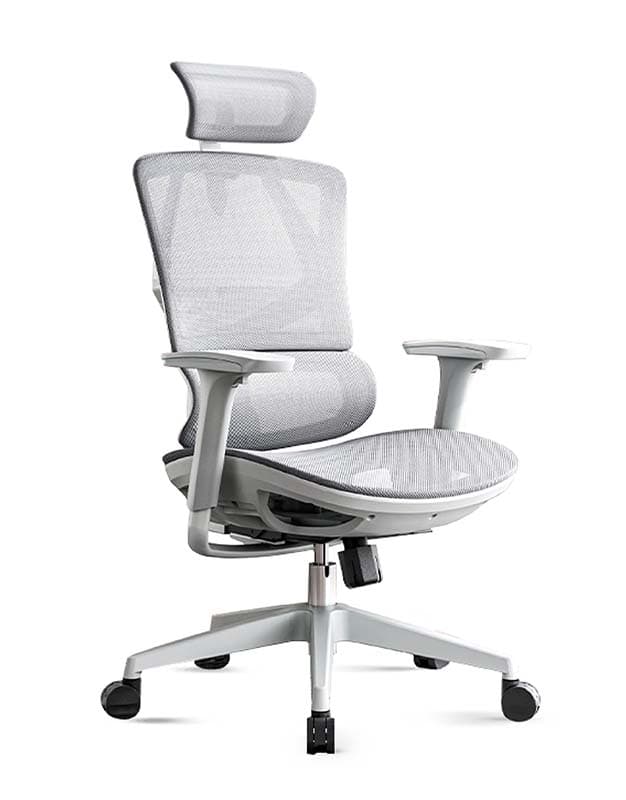
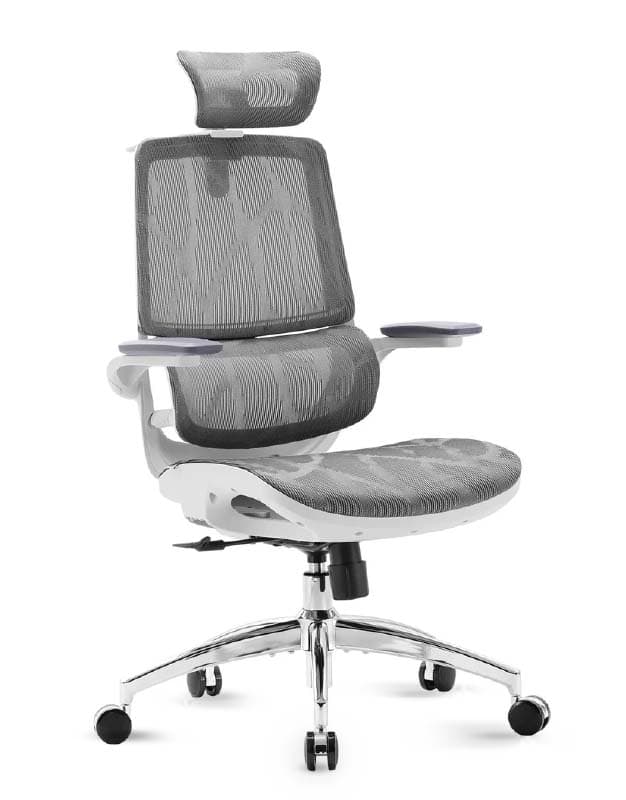
- Ergonomic chair: designed on ergonomic principles, focused on adjusting to each person, especially lumbar support, seat height and depth and armrests, and usually upholstered in breathable mesh.
There are good and bad chairs of both kinds, so the comparison below describes typical traits, not every model.
Point by point
| Feature | Typical gaming chair | Typical ergonomic chair |
|---|---|---|
| Lumbar support | Separate pillow with limited positioning | Built into the backrest, adjustable for height or depth; some adapt automatically |
| Seat and back shape | Racing-style bolsters that can pinch larger users | Flat or contoured, with more freedom to move |
| Material | PU faux leather or fabric, often traps heat | Breathable mesh, suited to hot and humid climates |
| Armrests | 2D–4D depending on model | 2D–6D depending on model |
| Seat depth | Rarely adjustable | Adjustable on many mid-range and higher models |
| Recline | Deep, some almost flat | Suited to working and resting; some have a footrest |
| Look | Bold colours that suit a gaming room | Understated, fits an office or a home |
What matters most: your lower back
As you sit for longer, your muscles tire and you tend to slide down until your lower back rounds and loses its natural curve, a position that makes backs ache easily. Ergonomics guidance from trusted sources such as Mayo Clinic and OSHA agrees that a chair should support the curves of the spine and adjust to the person using it.
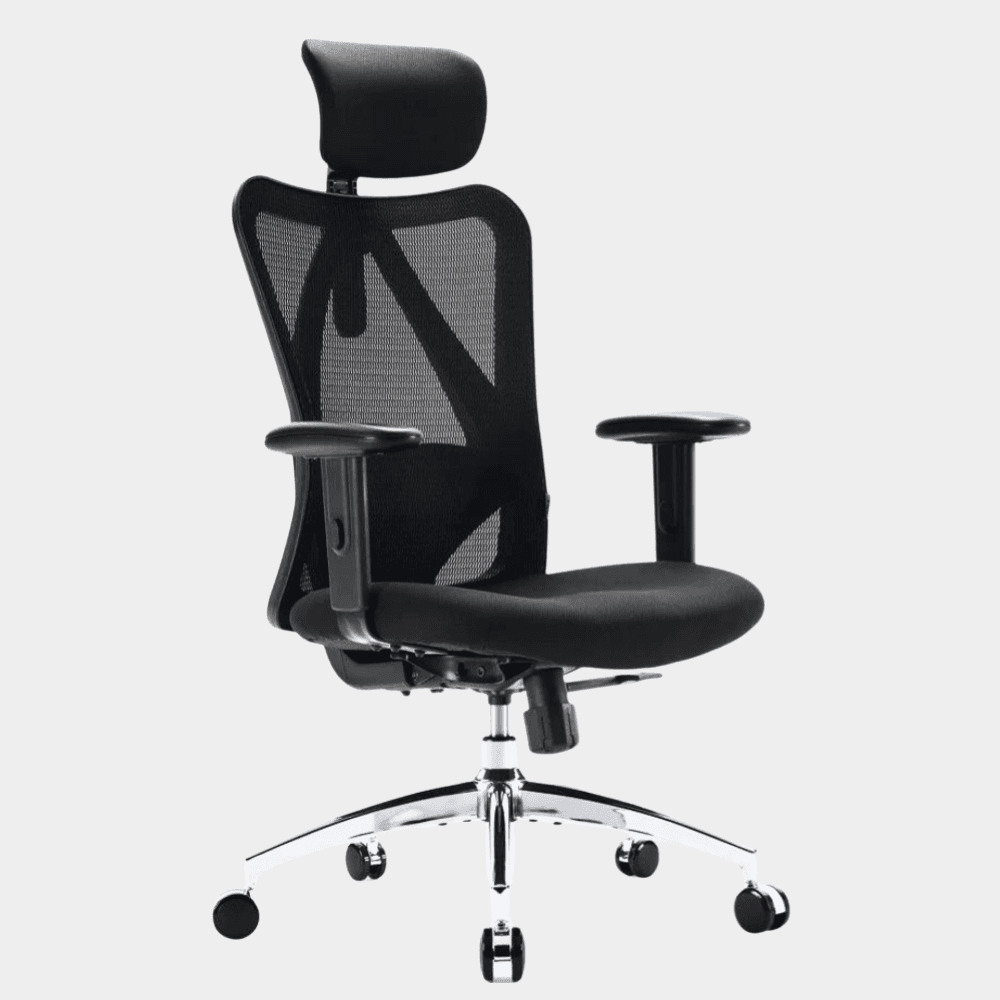
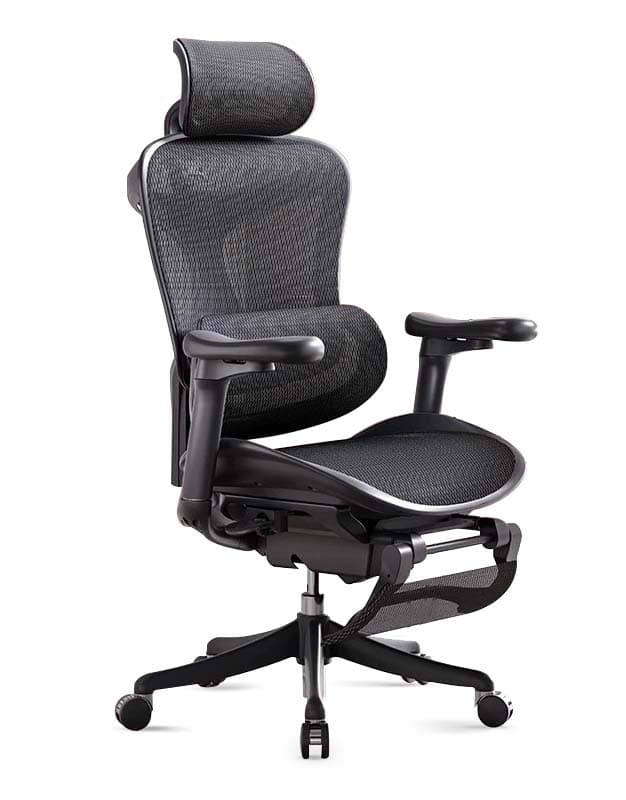
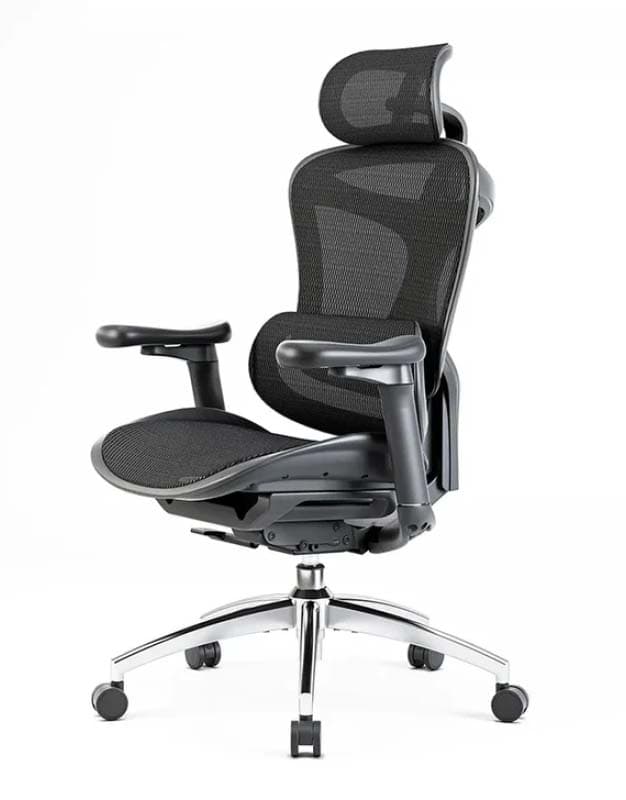
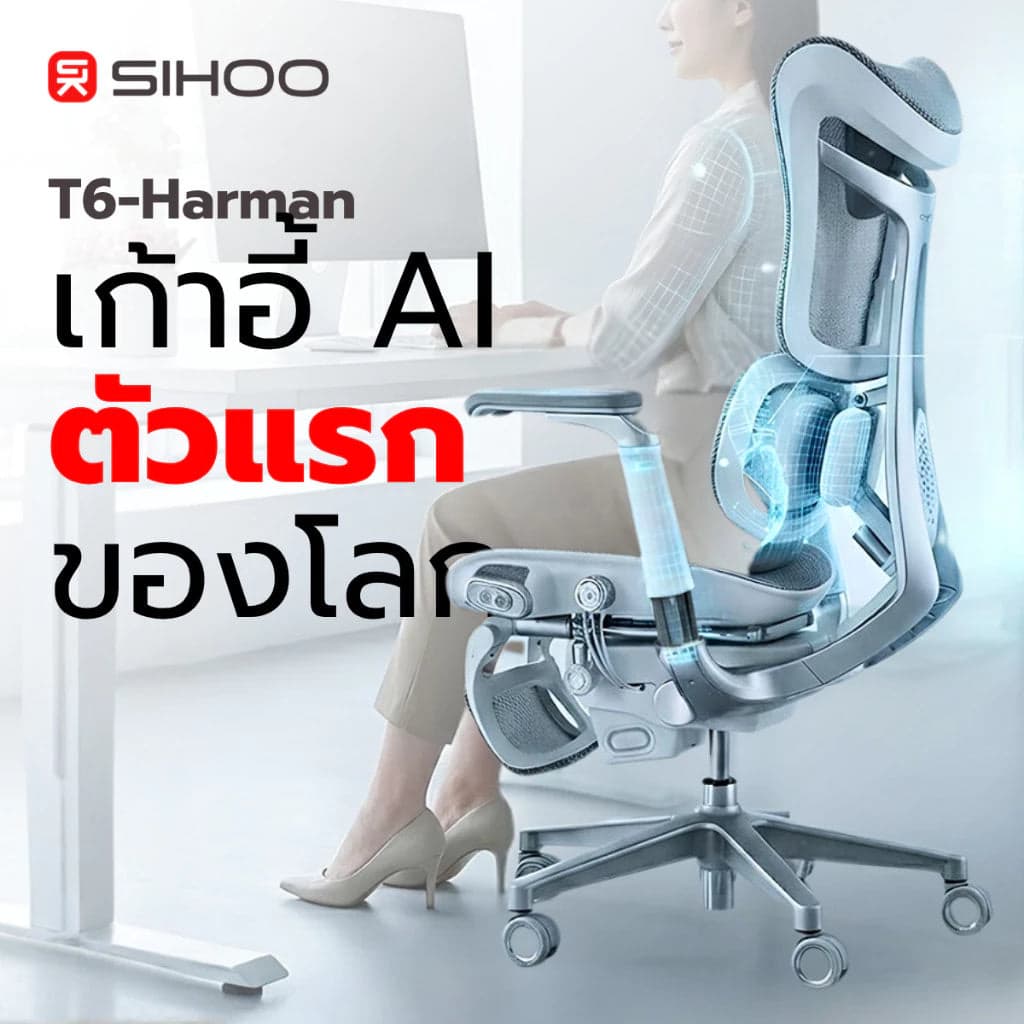
The strap-on lumbar pillow on many gaming chairs helps, but it tends to slip and cannot be adjusted for depth. Most ergonomic chairs build lumbar support into the frame, so it stays put and adjusts more precisely. In SIHOO's range, for example, the M57 adjusts its lumbar support for both height and depth, and the Doro C300 uses Domino lumbar support that adapts to your back automatically.
Thai heat: mesh has the edge
In a room that is not air-conditioned all day, faux leather gets hot and damp within a few hours. Mesh lets air through, cuts the sweaty feeling on your back and thighs, and never peels the way faux leather can after a few years. That practical reason is why many people in Thailand choose mesh.
So what should gamers buy?
Gamers need three things: to sit for long sessions, to lean back and rest, and armrests that support the wrists while using a mouse and keyboard. An ergonomic chair that reclines deeply and has a footrest covers both match time and downtime.
| How you use it | Look for | Examples from SIHOO |
|---|---|---|
| Mostly gaming, likes to lean back | Deep recline, footrest, 3D or better armrests | Smart M59Pro-FT (reclines to 136°, footrest) |
| Work by day, game by night | Adjustable lumbar, full mesh | M57 |
| 8–12 hours of sitting a day in total | Automatic lumbar, seat-depth adjustment, 6D armrests | Doro C300-FT |
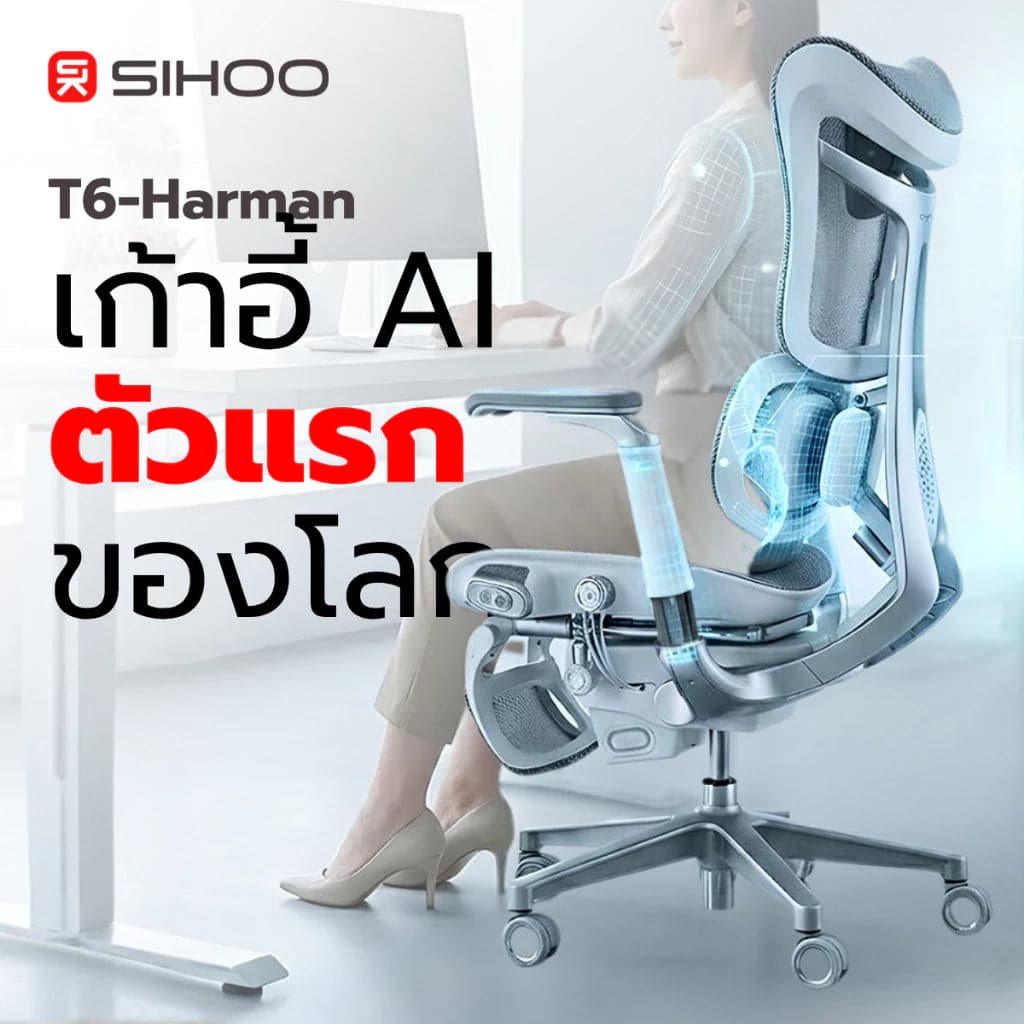
| Streamers and creators who want everything | Electric lumbar, sound, posture tracking | SIHOO T6 |
When a gaming chair is still a good choice
- You like the racing-seat shape and it genuinely fits your body.
- Your room is air-conditioned, so heat is not an issue.
- You play in shorter sessions rather than working in the chair all day.
- The look and matching your room's theme matter a lot to you.
The key point: fit matters more than the label. A chair that does not suit your size will be uncomfortable whatever it is called.
Common misconceptions
"A gaming chair is already an ergonomic chair"
Not necessarily. "Gaming" describes a style and an audience; "ergonomic" should mean the chair adjusts to your body. Some gaming chairs adjust well, others just look like a racing seat. Judge the real adjustments, not the label.
"The more it reclines, the better"
A deep recline is useful for resting, but while you work or play something that needs focus, you use only a narrow range of angles. What matters more is that the backrest locks firmly, and that the lumbar support stays in line with your back as you lean.
"The softer the seat, the more comfortable"
A very soft seat compresses over a long session, so your hips sink and your lower back rounds. A good seat spreads your weight and keeps its shape all day, whether that is quality foam like the memory-foam seat on the M18 or properly tensioned mesh.
A six-point checklist (works for both)
- Can you sit with your feet flat on the floor and your knees roughly level with your hips?
- Does your back reach the backrest without the seat edge pressing behind your knees?
- Does the lumbar support line up with the curve of your lower back, and stay there?
- Do the armrests go low enough for your shoulders to relax?
- Does the material stay comfortable after more than an hour?
- Is there a warranty and after-sales service in Thailand?
Want help narrowing it down by height, weight and use? Try the Chair Finder or book a showroom visit.
The bottom line
If you sit for long hours regularly, for work and play, an ergonomic chair with adjustable lumbar support and good ventilation is usually the safer long-term choice. A gaming chair still suits some people who like the shape and sit for shorter spells. Whichever you choose, get up and move regularly: no chair replaces movement.