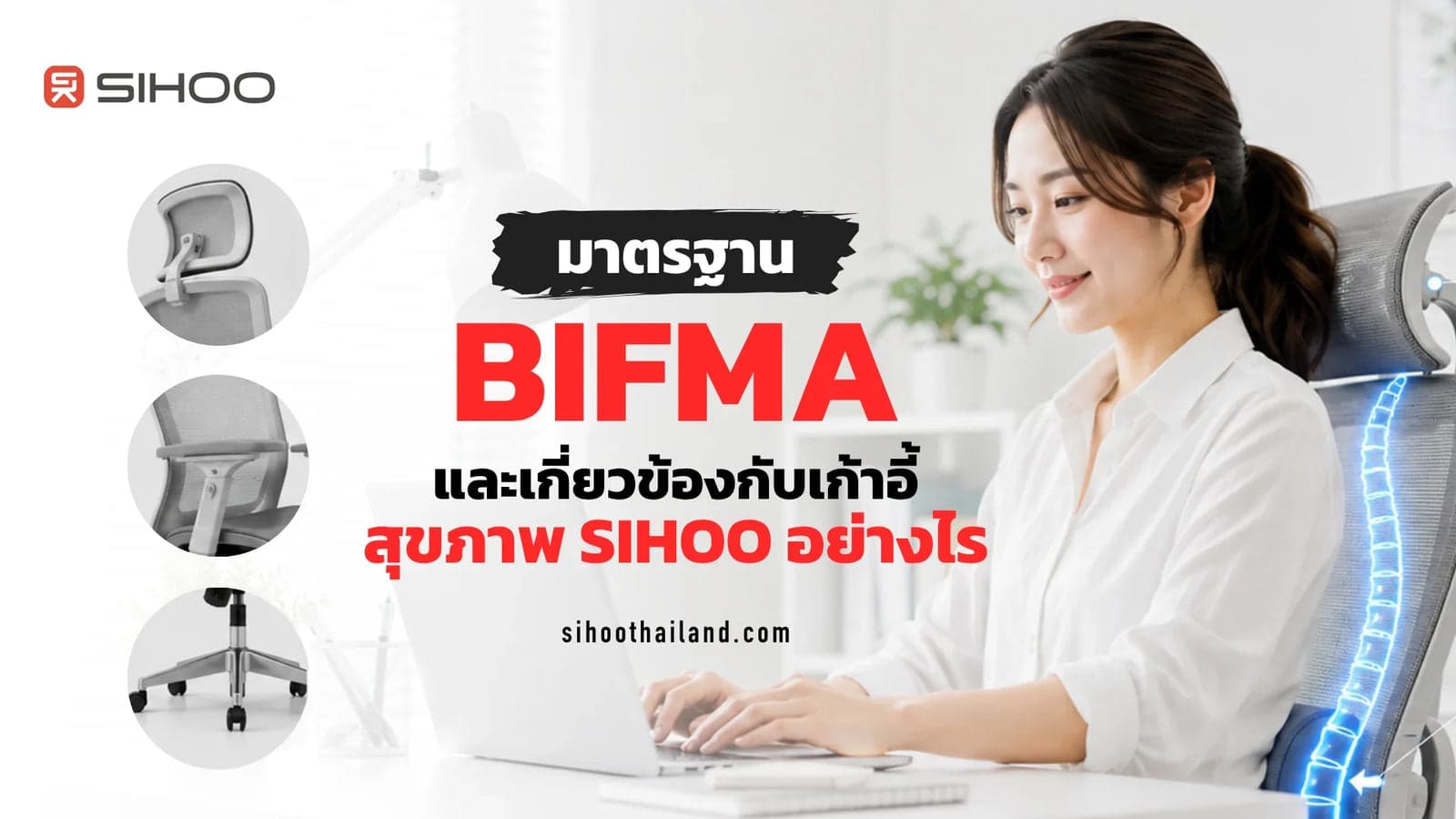
What Is the BIFMA Standard, and How Does It Relate to SIHOO Ergonomic Chairs?
When shopping for an ergonomic chair for long hours of desk work, many people come across the term "BIFMA" in the product specs but are not sure what the standard is, what it measures, or how much it should matter in a purchase decision. This article explains where the BIFMA standard comes from, what the tests cover, and how SIHOO ergonomic chairs apply the standard in product development.
What Is BIFMA?
BIFMA stands for Business and Institutional Furniture Manufacturers Association. It is a non-profit trade association founded in 1973 and headquartered in the United States. It sets standards for the safety, durability and performance of office and institutional furniture. The most widely used are the ANSI/BIFMA standards, which are accredited jointly with the American National Standards Institute (ANSI).
For office chairs in particular, the most commonly cited standard is ANSI/BIFMA X5.1, which is used to evaluate general-purpose office chairs.
One thing to note: BIFMA develops and maintains the test standards, but it does not test every product itself. Manufacturers have their chairs tested to this standard through external laboratories or inspection bodies such as SGS or TÜV, and then state that the product has "passed testing to" or "conforms to" the ANSI/BIFMA standard.
What Does ANSI/BIFMA X5.1 Test?
Testing under this standard simulates long-term real-world use, with a service life evaluated at roughly 10 years of single-shift use. The main areas covered are as follows.
Structural strength Tests static and dynamic load-bearing on every component of the chair, such as the backrest, seat and armrests.
Durability under repeated use Tests repeated use thousands to tens of thousands of times, such as repeatedly dropping into the seat (drop test), repeatedly leaning on the backrest and repeatedly pressing on the armrests, to simulate prolonged continuous use.
Stability and balance Tests the chair's ability to stay upright without tipping over under different loading conditions.
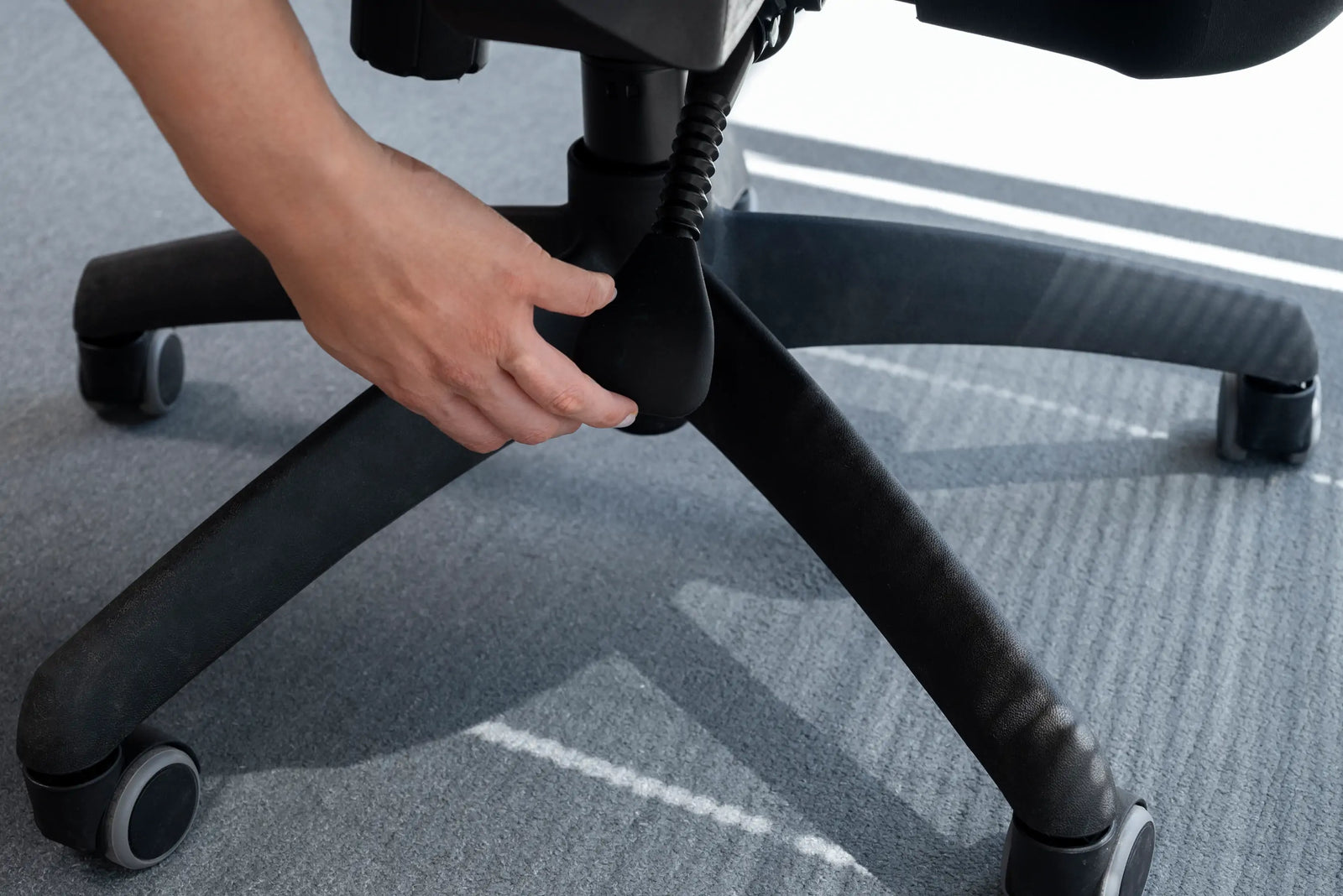
Safety of components Tests the hydraulic height-adjustment system, the casters and the various adjustment mechanisms to confirm they operate safely throughout the product's service life.
Why the BIFMA Standard Matters When Buying an Ergonomic Chair
Ergonomic chairs are often used continuously for many hours a day. If the structure or mechanisms do not meet a standard, the risk of problems in use, such as a wobbly chair, a height-adjustment system that wears out quickly, or a frame that cannot bear the stated load, directly affects the user's back health and sitting posture. Choosing a chair that has been tested to ANSI/BIFMA X5.1 is therefore one indicator that the structure and mechanisms have been checked systematically, rather than relying on advertising alone.
SIHOO Ergonomic Chairs and the BIFMA Standard
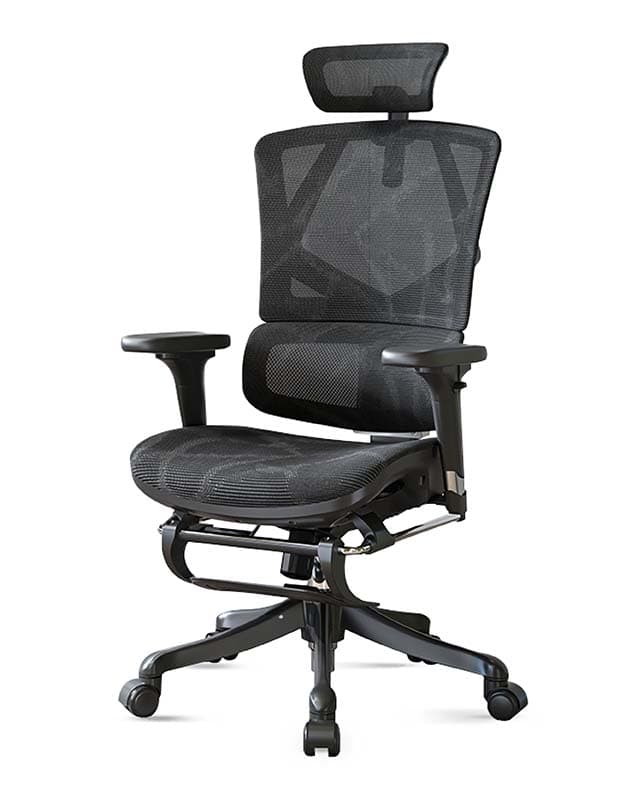
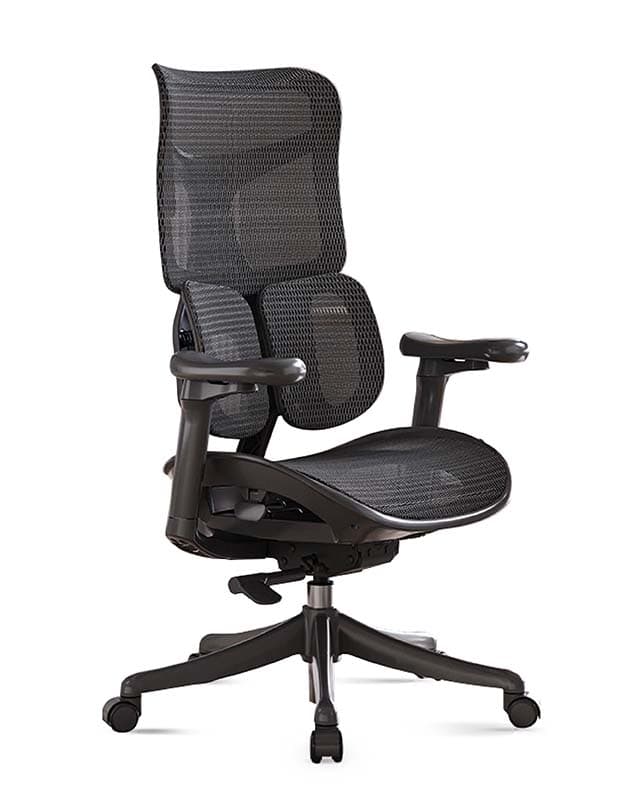
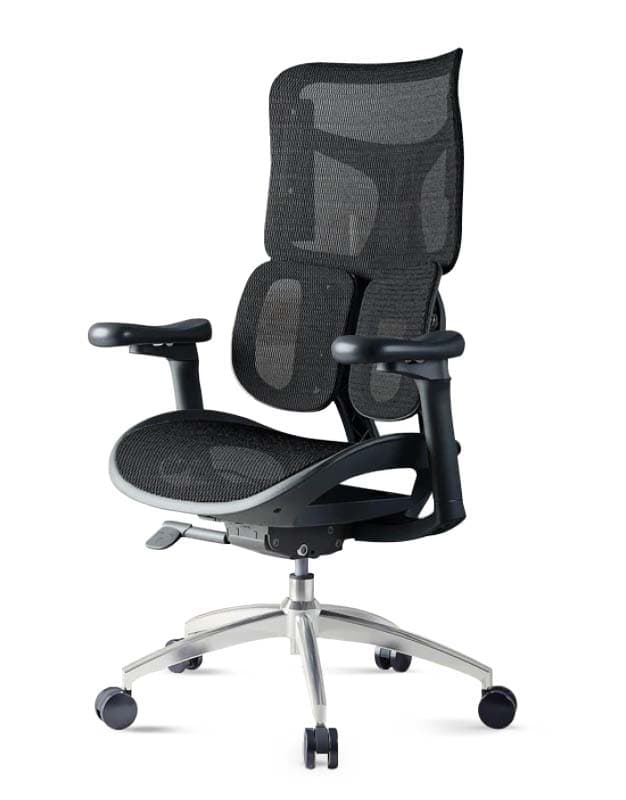
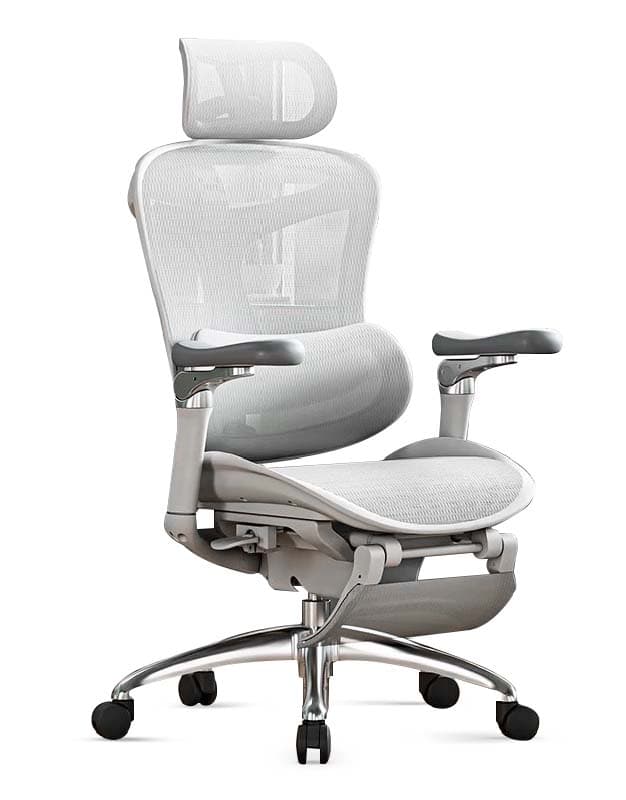
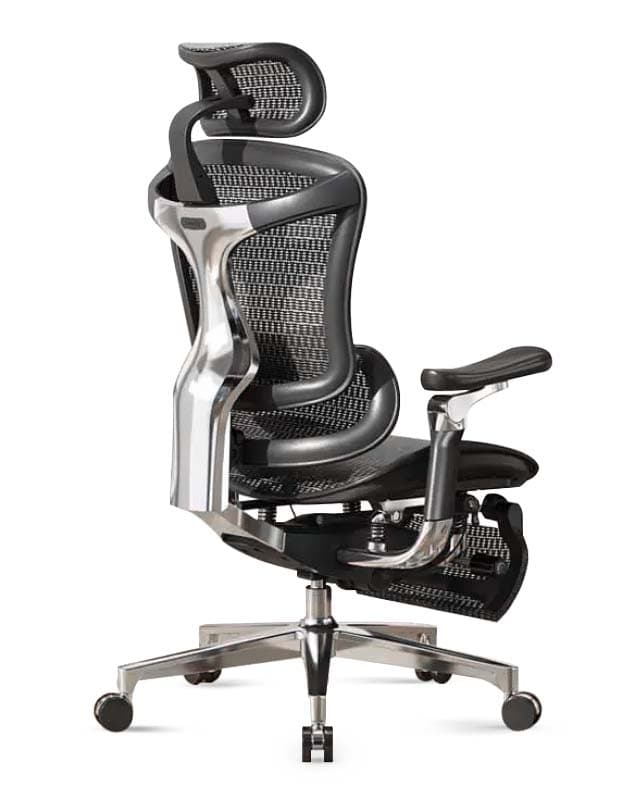
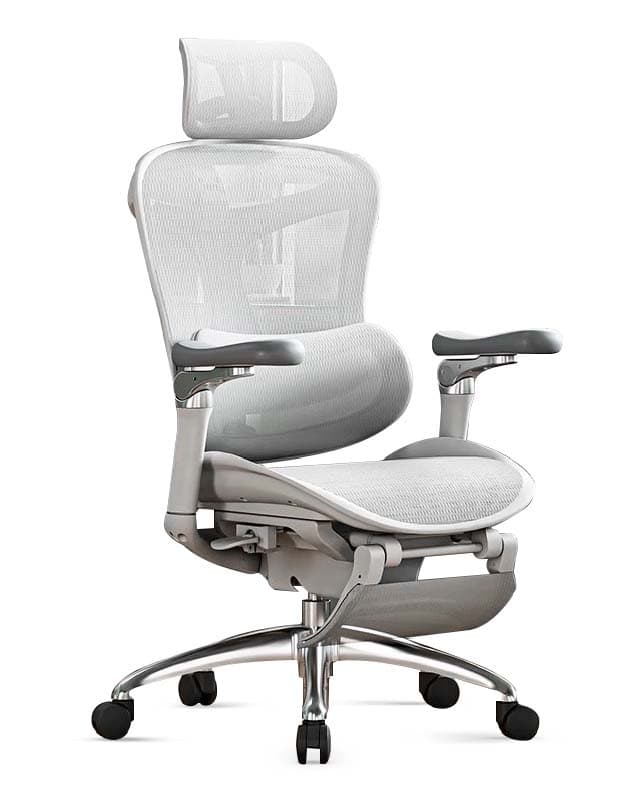
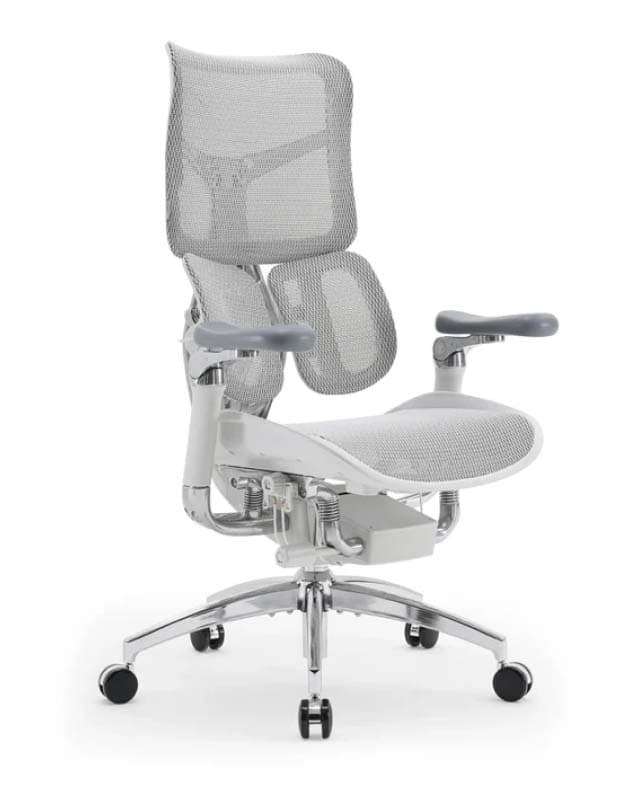
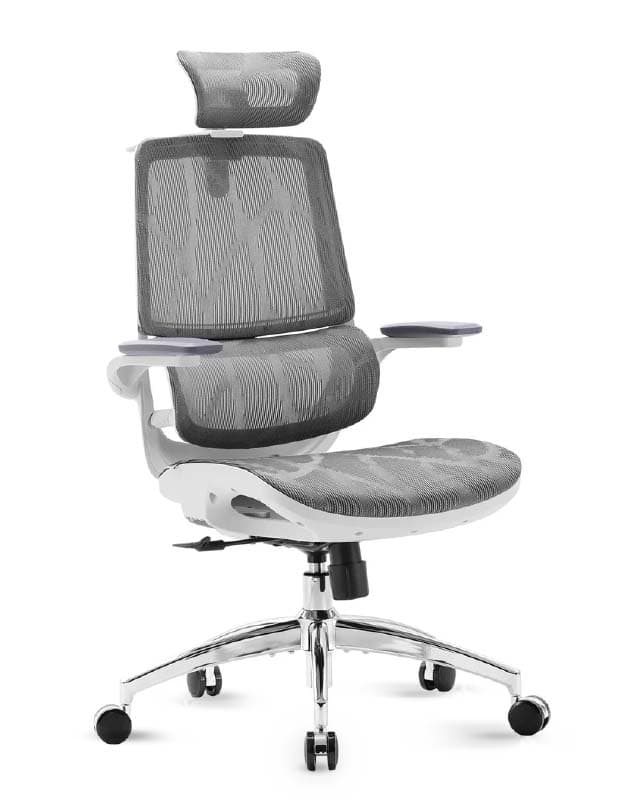
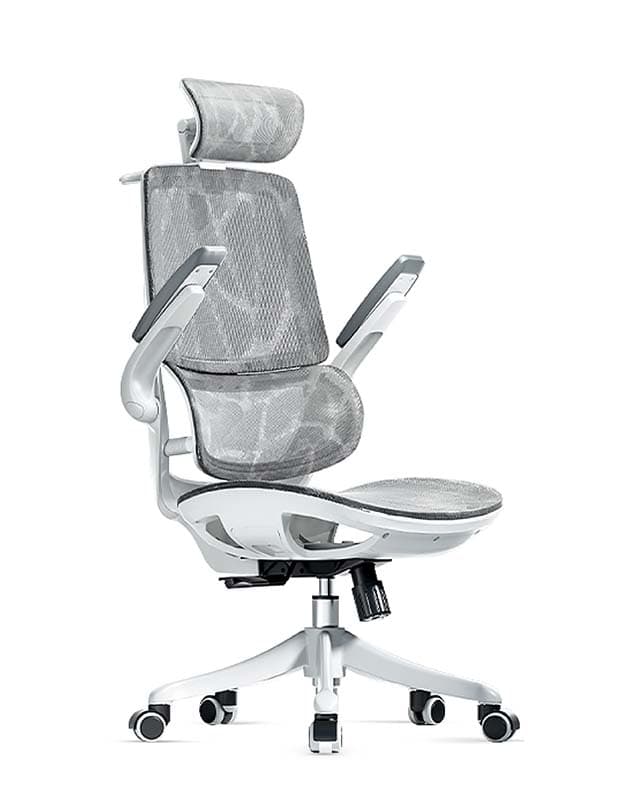
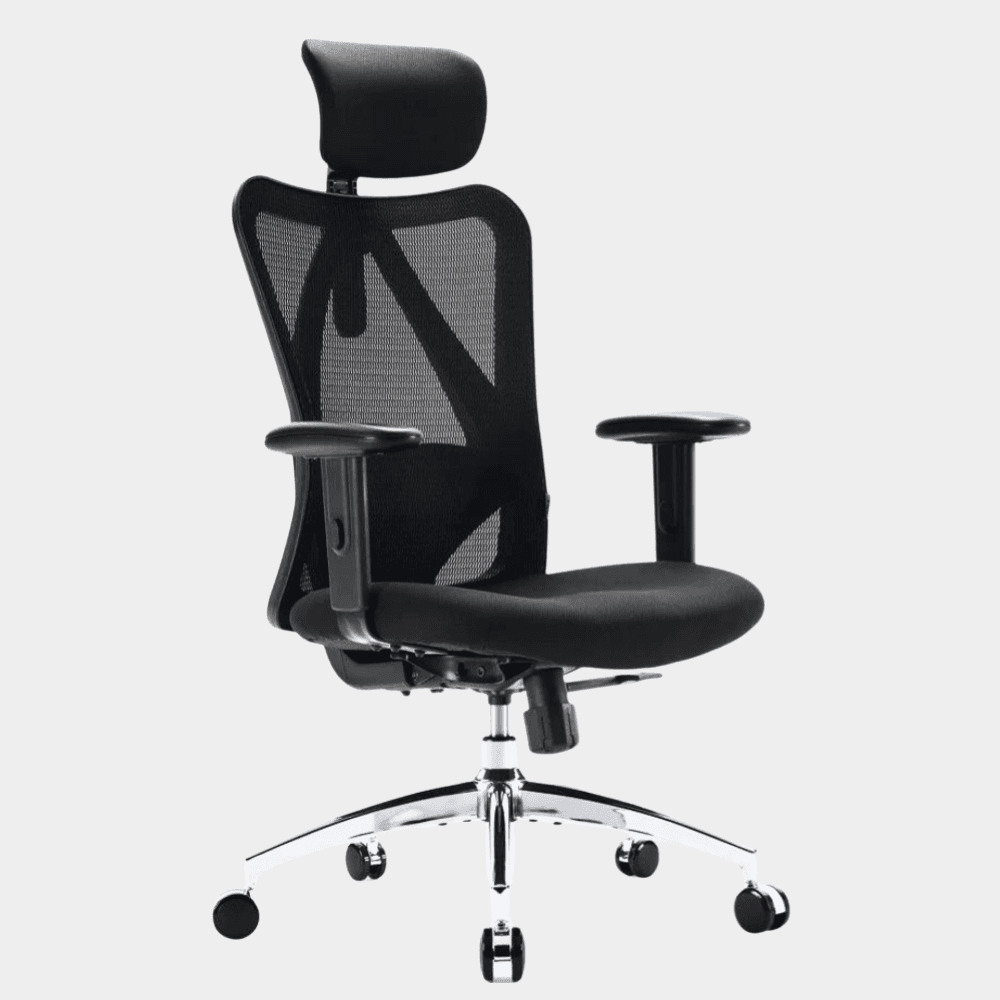
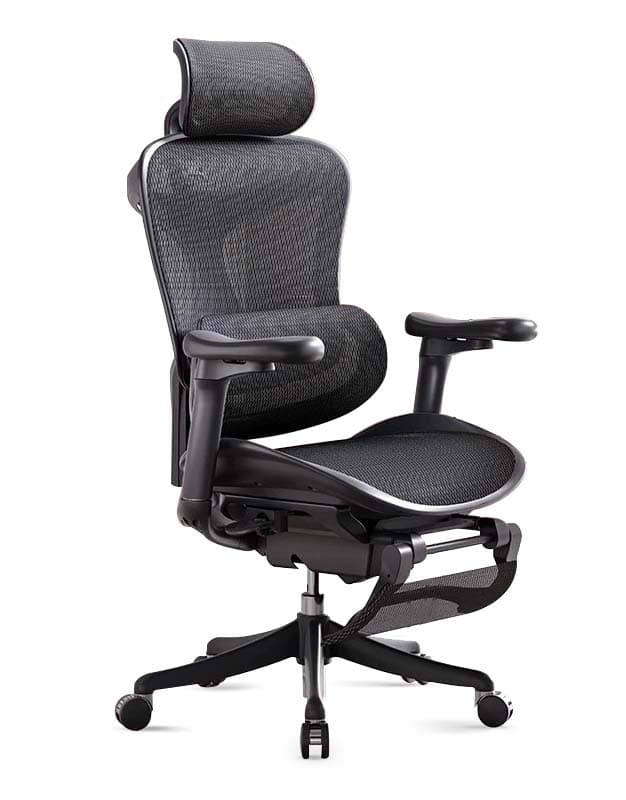
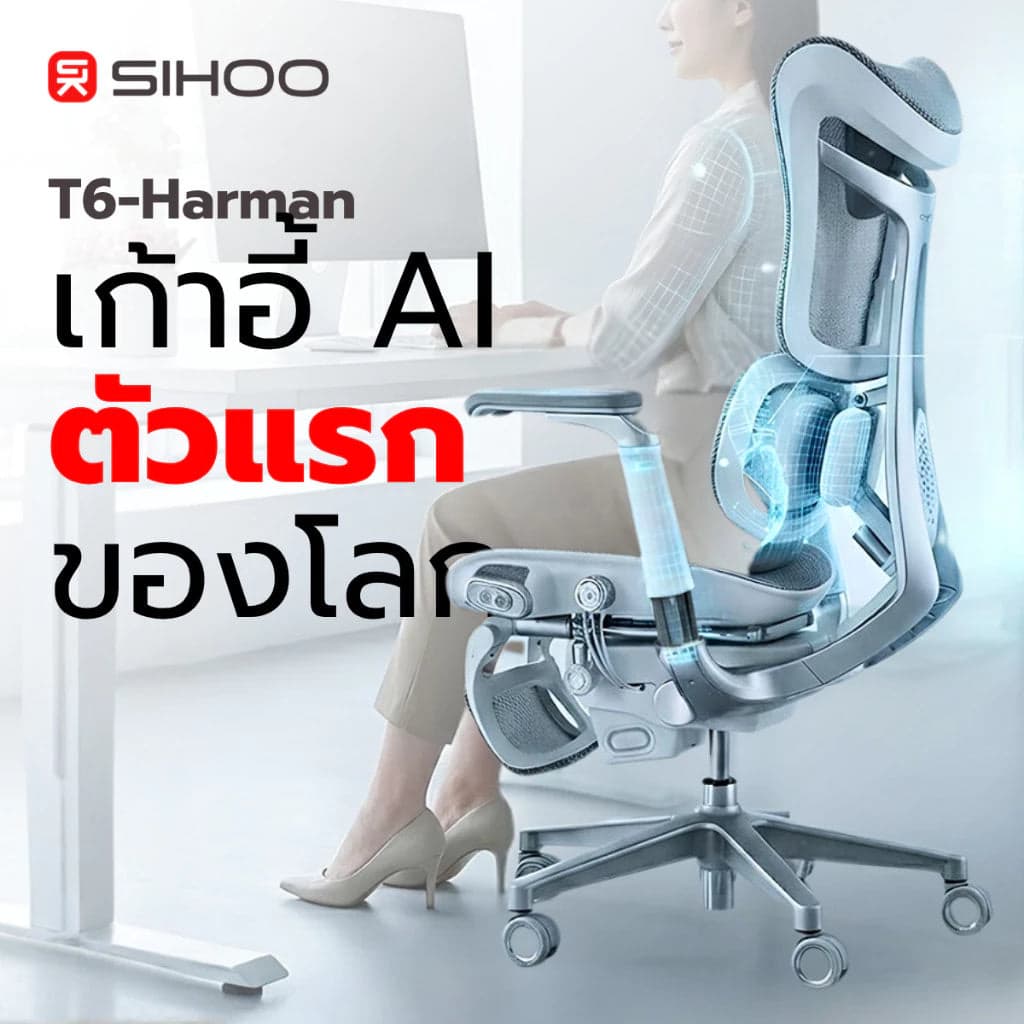
SIHOO places importance on quality testing to international standards across many models. Key chair components have been safety-tested tens of thousands of times under the BIFMA and SGS standards. Examples of models tested to this standard include:
-
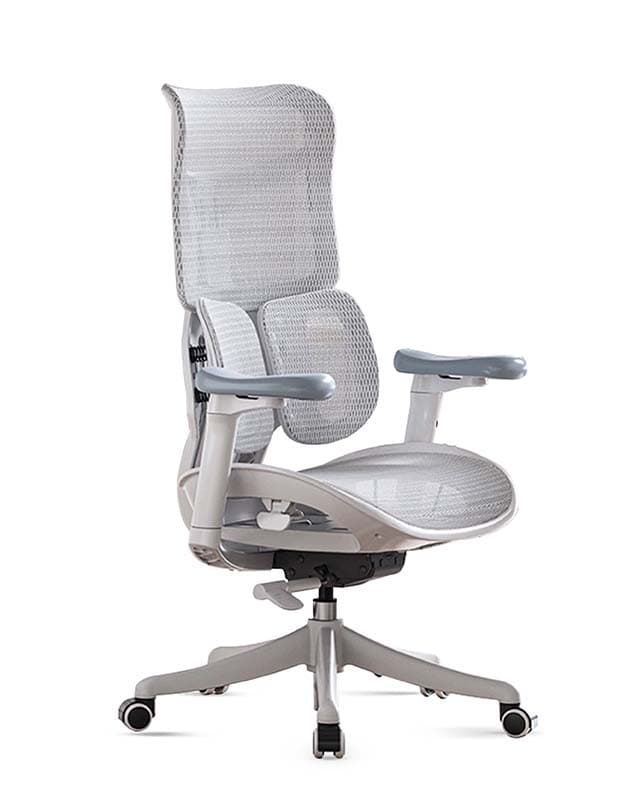
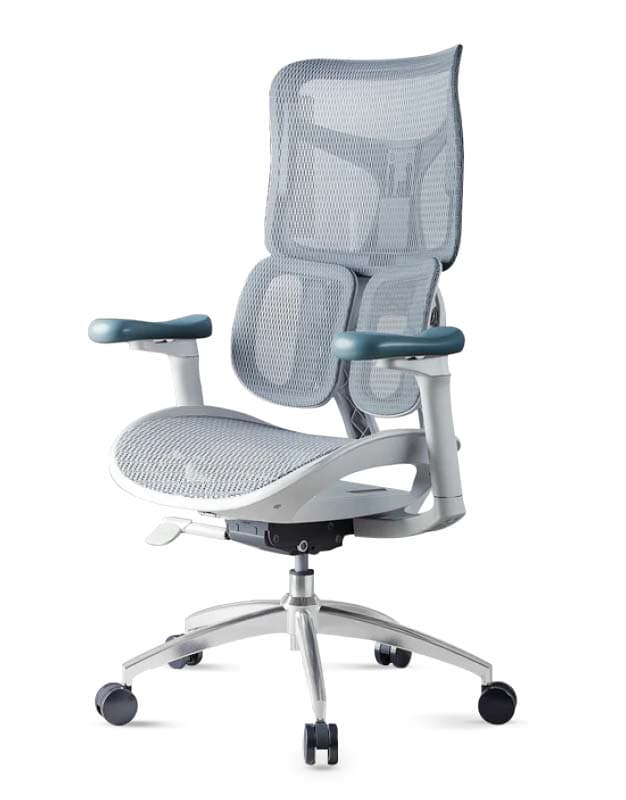
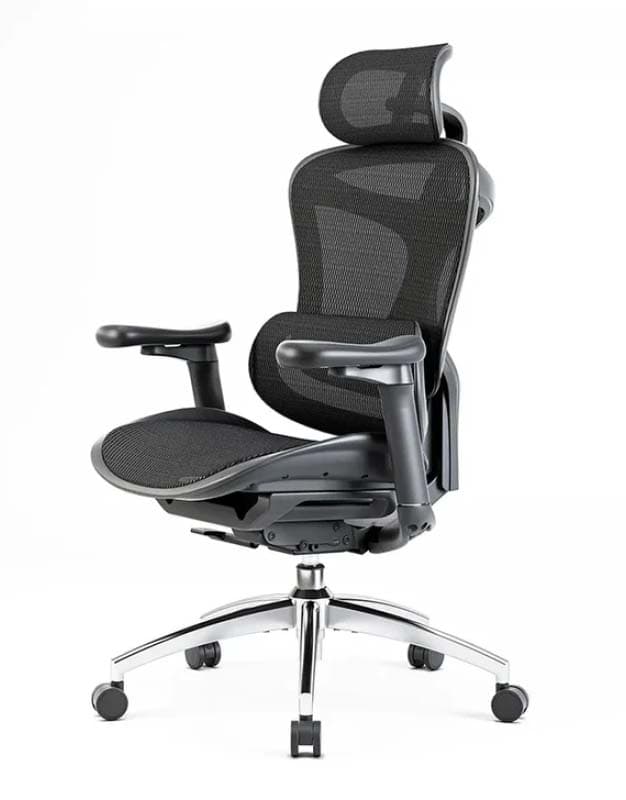
SIHOO Doro C300 passed testing to the European EN1335 standard and the US BIFMA standard, and also complies with REACH chemical requirements. It uses a hydraulic height-adjustment system certified to Class 4 by SGS. View product
-
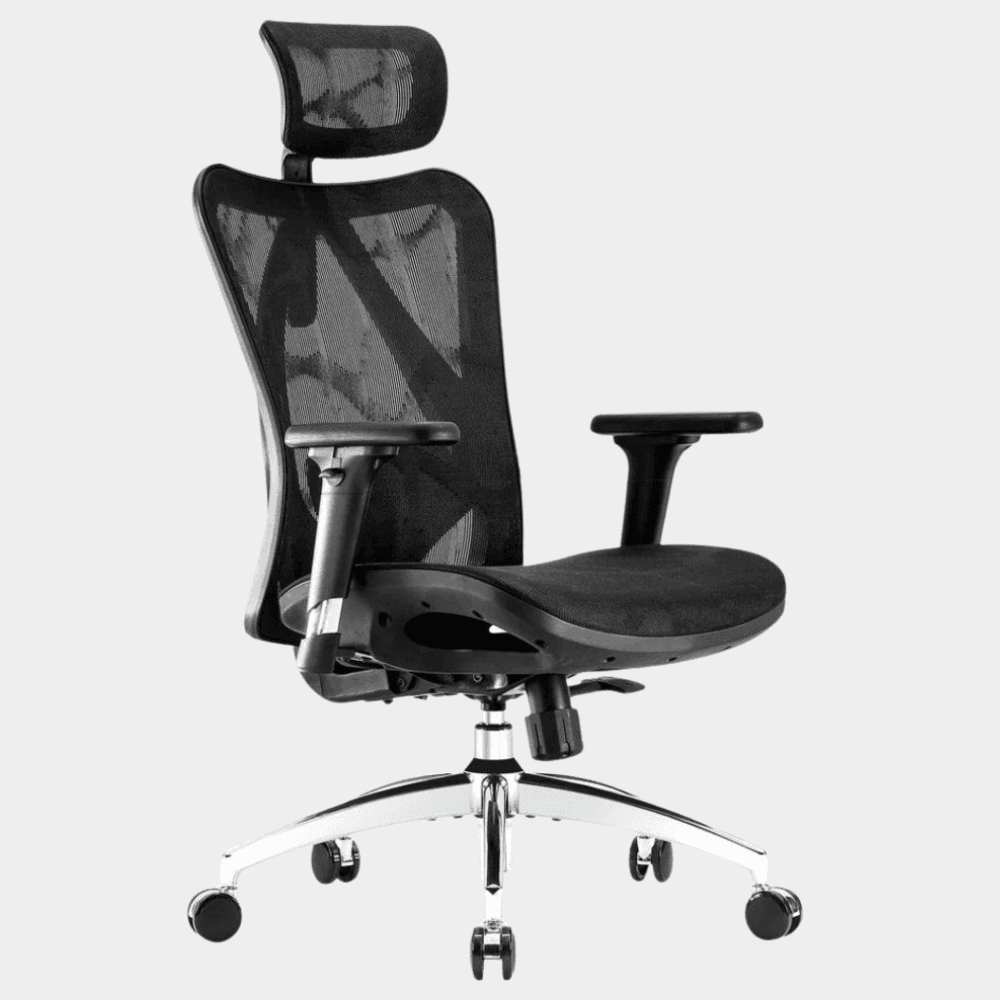
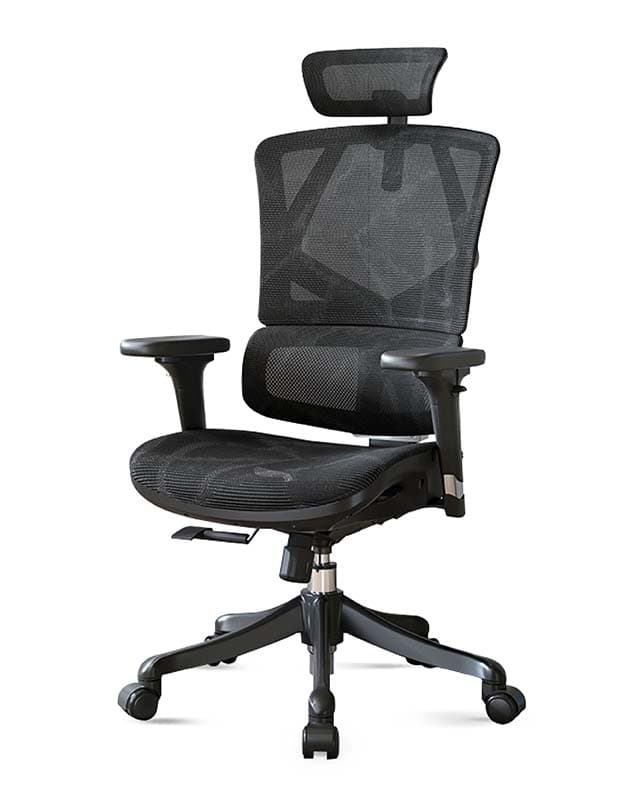
SIHOO M18 passed testing to the US BIFMA and SGS standards for reliability and durability. View product
-
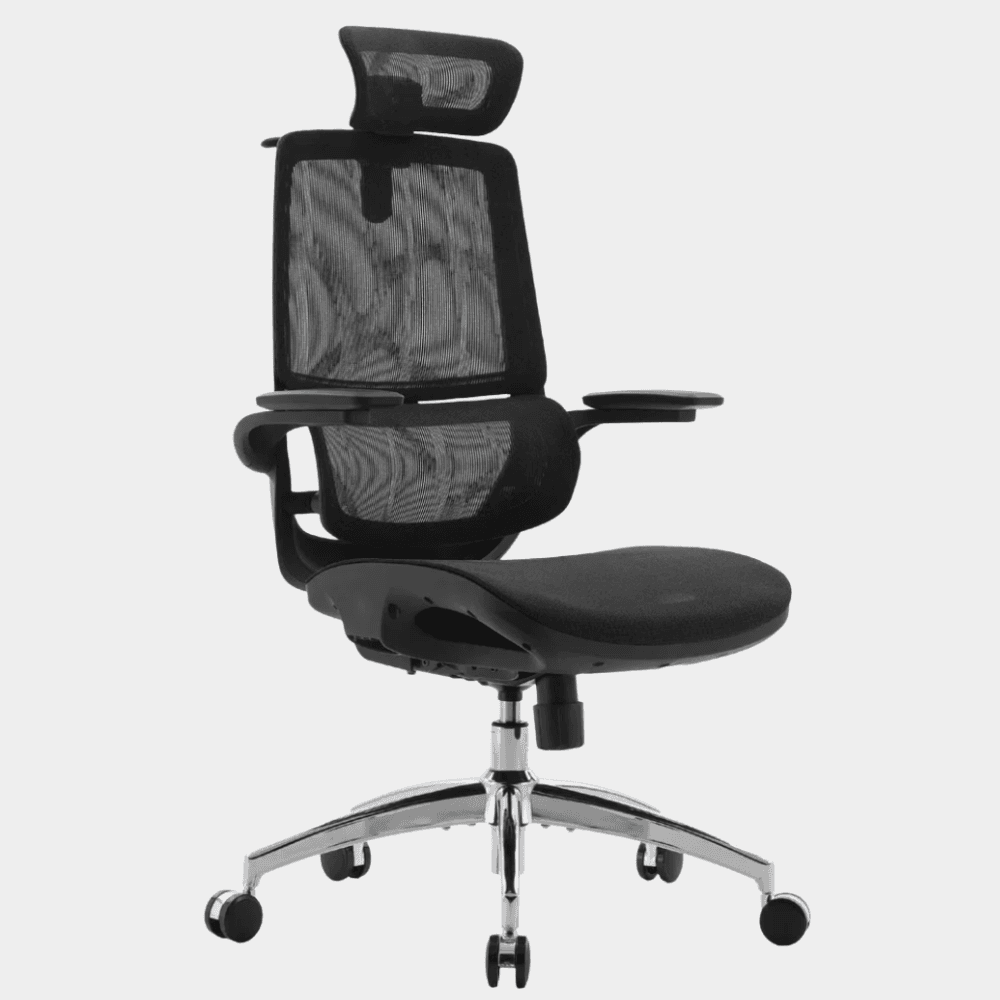
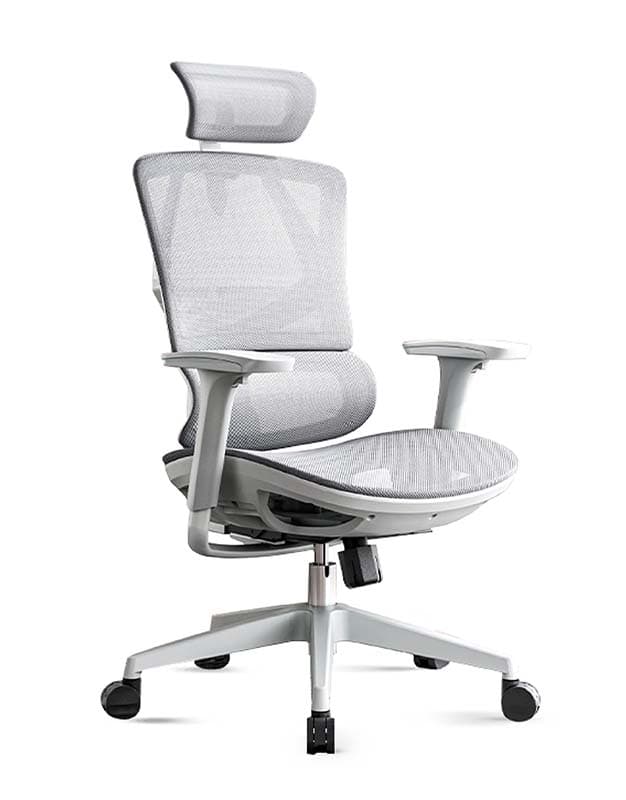
SIHOO M59AS passed testing to the BIFMA and SGS standards and supports user weight of up to 150 kg. View product
-
SIHOO M102C passed SGS and BIFMA durability and safety standard testing, with TÜV certification.
Passing tests to these standards, together with a 3-year product warranty, reflects SIHOO's approach of developing ergonomic chairs with strong, safe structures that genuinely support long-term use, rather than simply a design that feels comfortable in the short term.
Frequently Asked Questions About the BIFMA Standard
Is BIFMA a product certification body? Not exactly. BIFMA develops the test standards, while the actual testing is usually carried out by external laboratories or inspection bodies such as SGS or TÜV, according to the standards BIFMA sets.
How does the BIFMA standard differ from Europe's EN1335 standard? Both standards test the safety and durability of office chairs in similar ways, but BIFMA is the reference standard in the United States, while EN1335 is the reference in the European Union. A chair that passes both is therefore often regarded as having undergone quality checks at an international level.
Does a chair that meets the BIFMA standard guarantee no problems at all? The BIFMA standard helps confirm that the structure and mechanisms have passed testing against the defined criteria, but ergonomic fit, such as seat size, backrest height or level of back support, still depends on each user's body and personal preference.
Conclusion
The BIFMA standard is an internationally recognized set of test criteria for the strength, durability and safety of office chairs. Choosing an ergonomic chair tested to this standard helps reduce the long-term risk of structural and mechanism problems. Many SIHOO ergonomic chair models have passed testing to the BIFMA standard along with other international standards such as SGS, TÜV and EN1335. This is useful information consumers can use when deciding which chair to buy for long-term desk work.