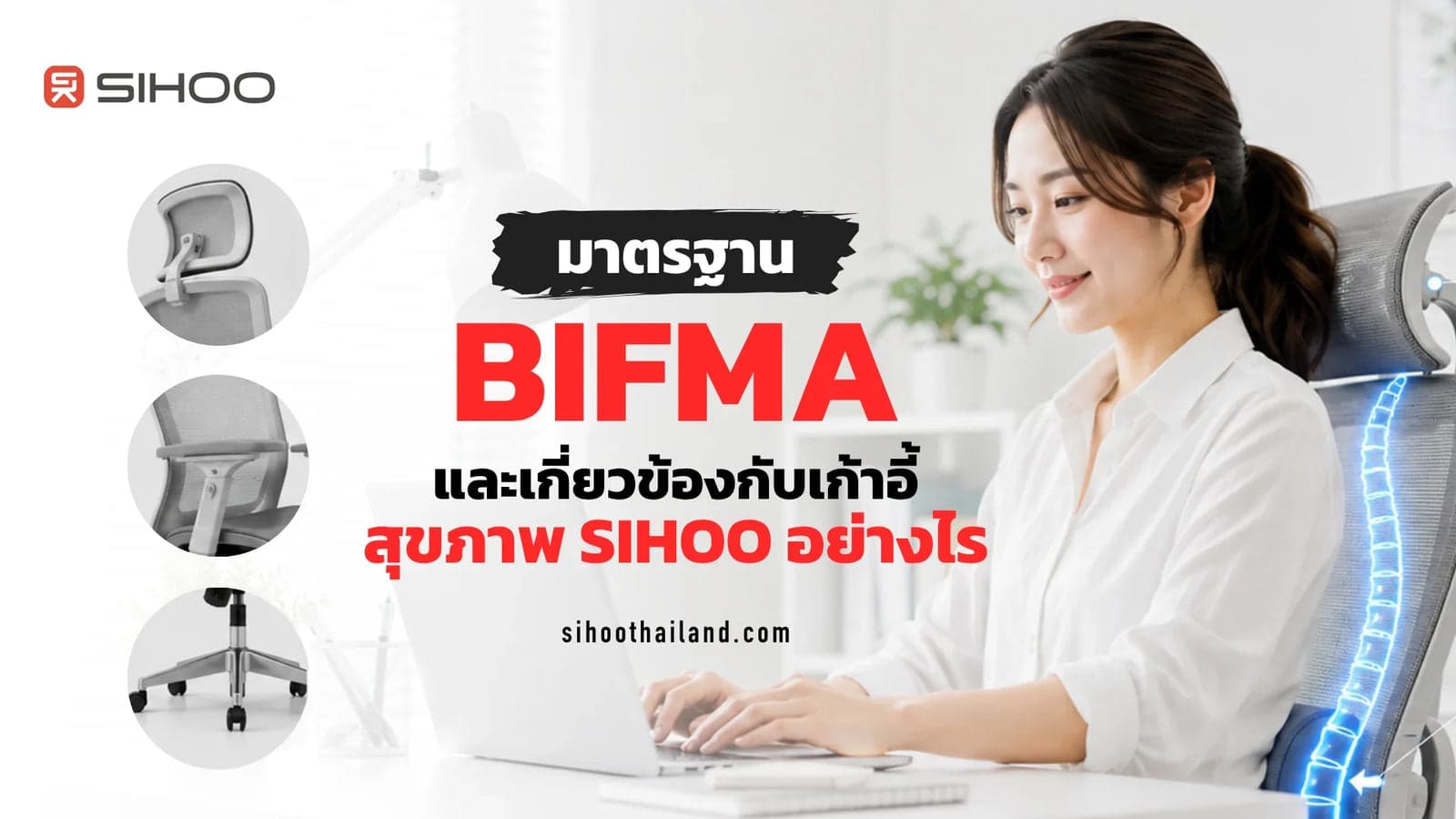
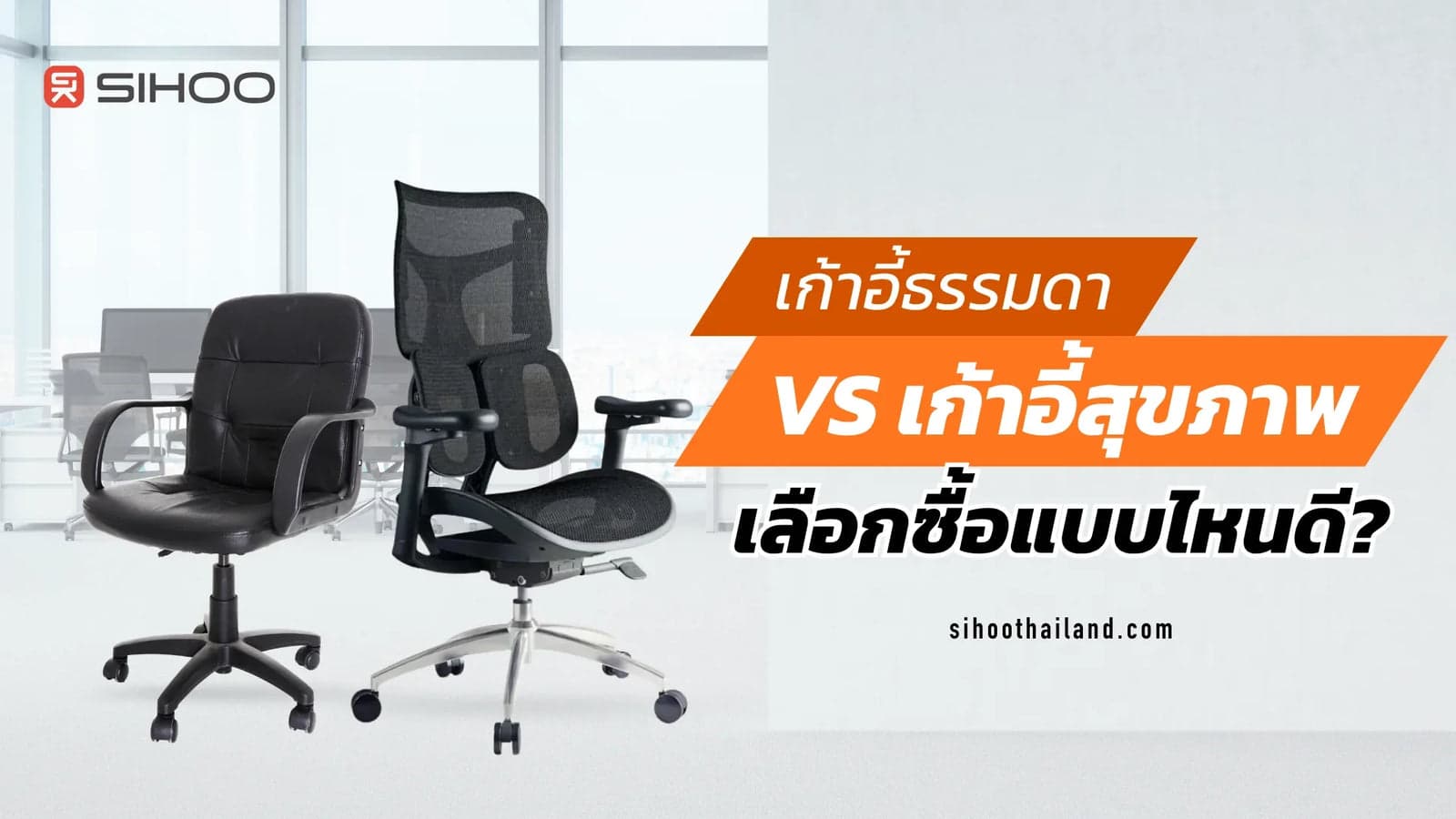
Office workers and people who work from home now spend an average of 8-10 hours or more a day sitting at work. When it is time to buy a new chair, a common question is whether to choose a budget-friendly "ordinary chair" or an "ergonomic chair" designed specifically to support the body. This article takes a close look at the differences between the two types of chair, in terms of construction, body support and long-term health effects, to help you choose the one that suits how you actually use it.
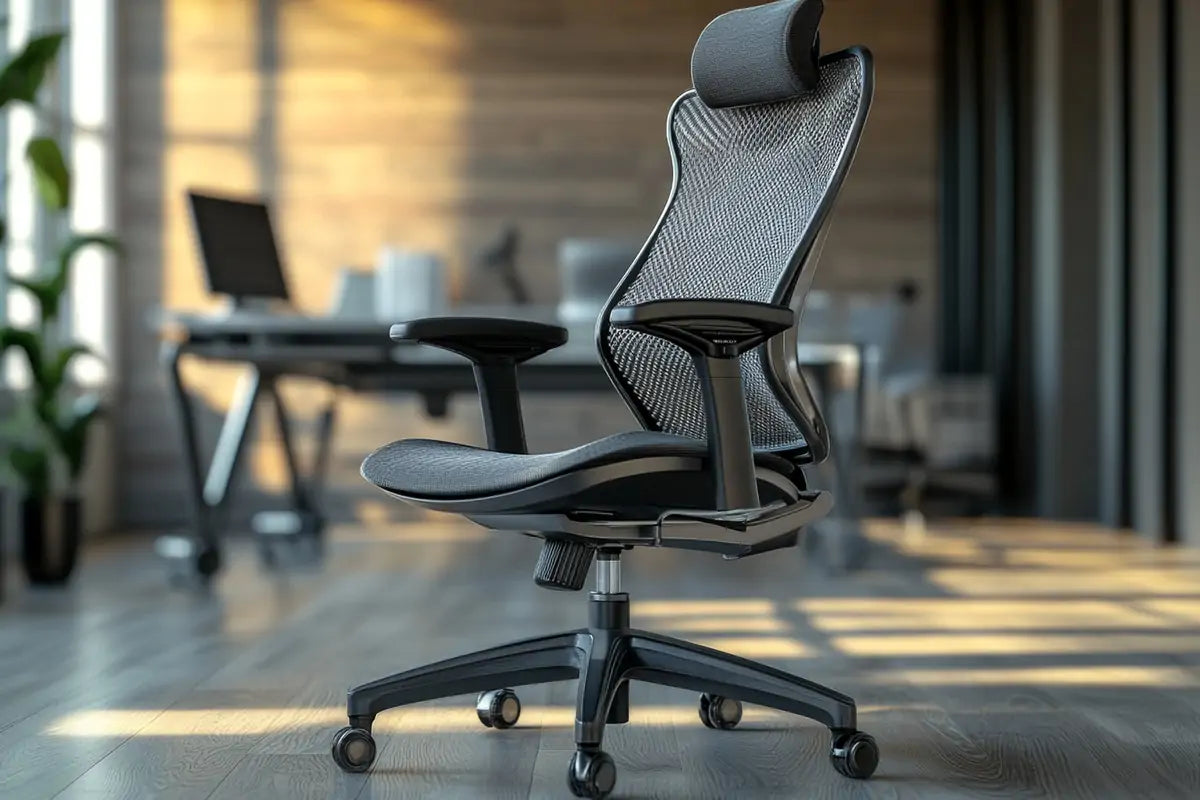
What Is an Ordinary Chair, and What Are Its Strengths and Limitations?
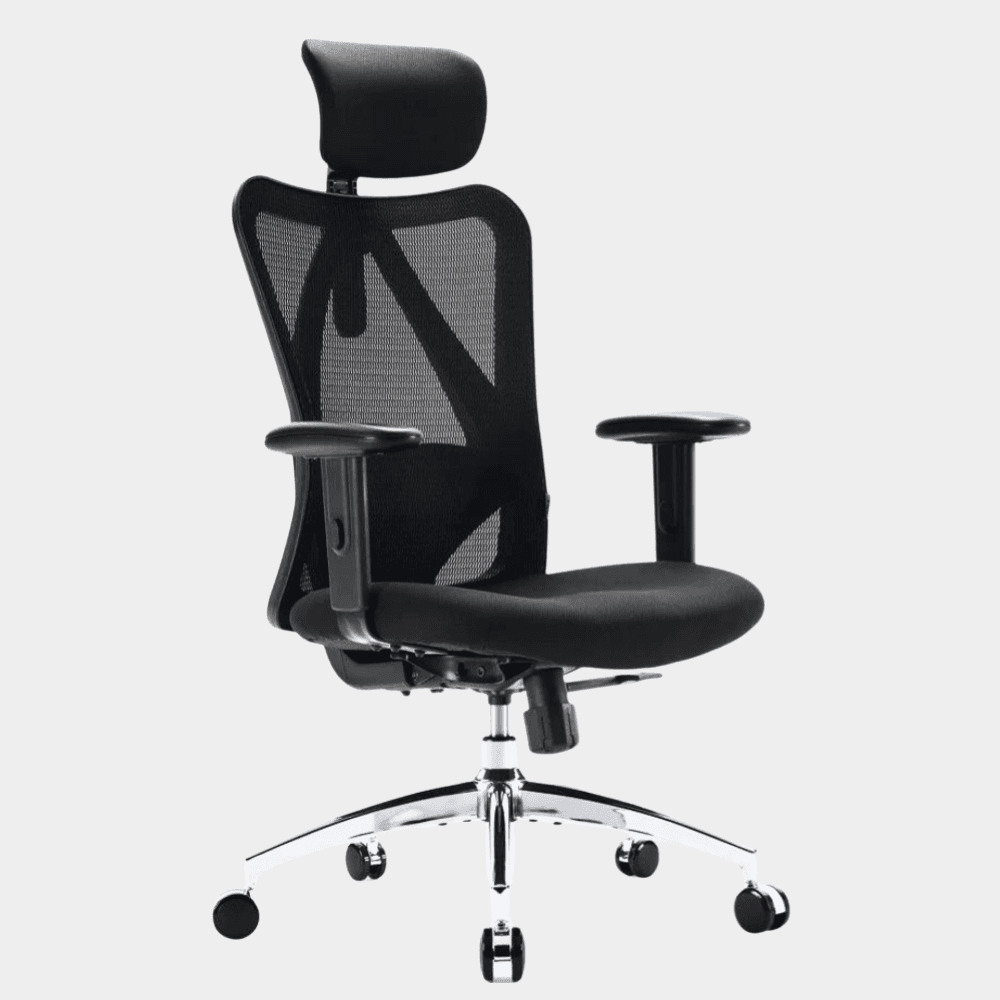
An ordinary chair means a general office chair made at low cost with a simple structure and no complicated adjustment mechanisms. Most have only basic height adjustment and a seat padded with standard foam.
Strengths of an ordinary chair
- Affordable, suited to a limited budget
- Lightweight and easy to move
- Easy to find in ordinary stores
Limitations of an ordinary chair
- No dedicated support for the waist or lower back
- The seat material tends to flatten quickly with continuous use
- The recline angle and backrest height cannot be adjusted to suit each person's body
- Sitting continuously for a long time may lead to back pain, neck pain and accumulated shoulder tightness
What Is an Ergonomic Chair, and How Does It Differ from an Ordinary Chair?
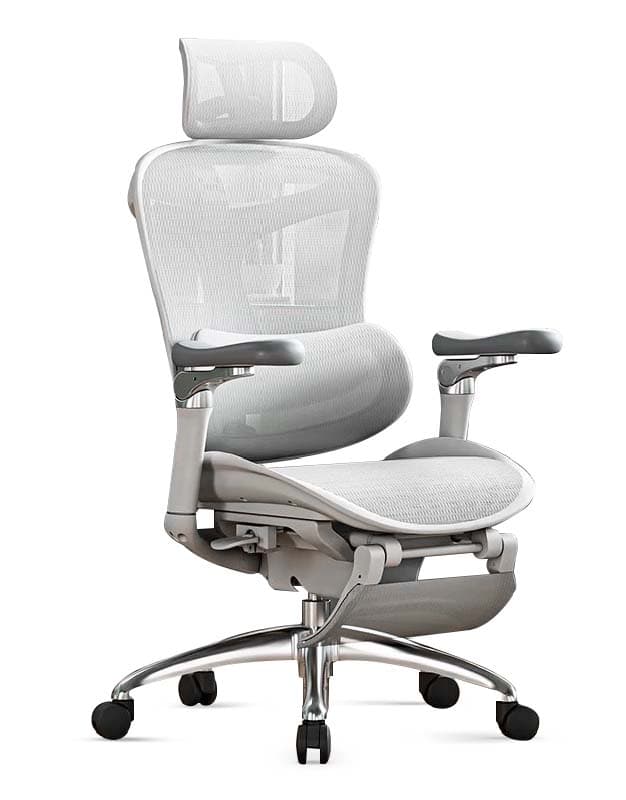
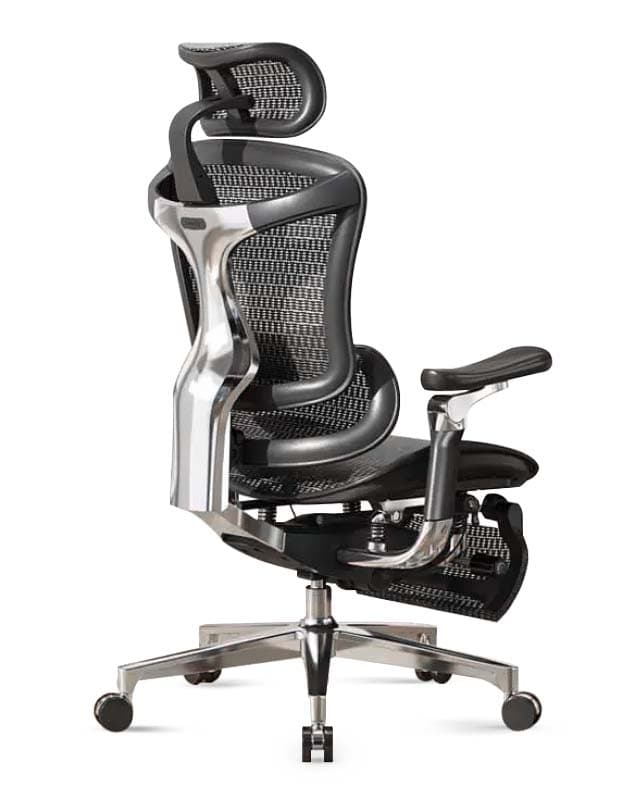
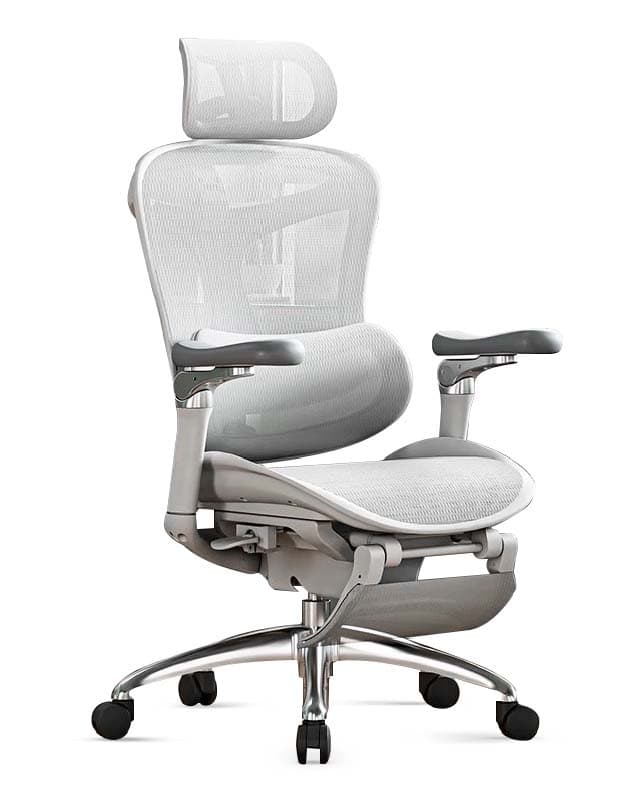
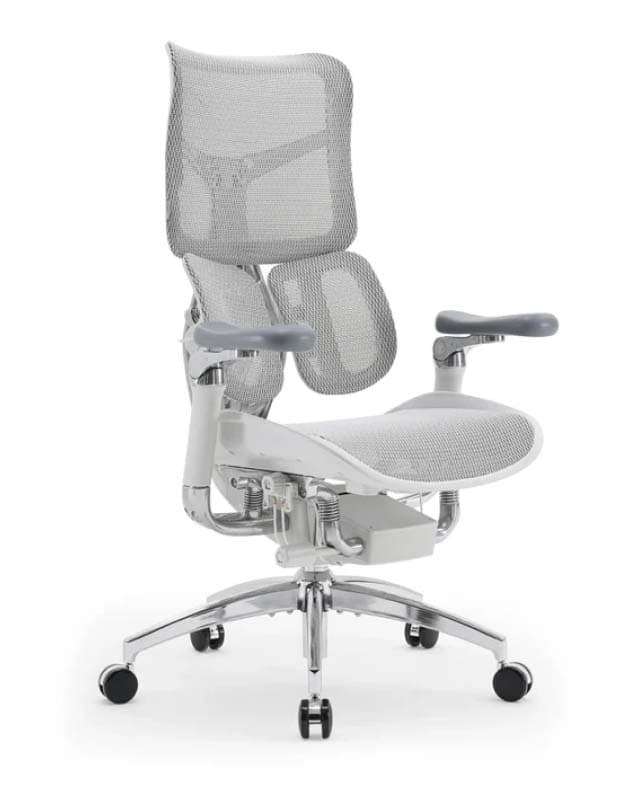
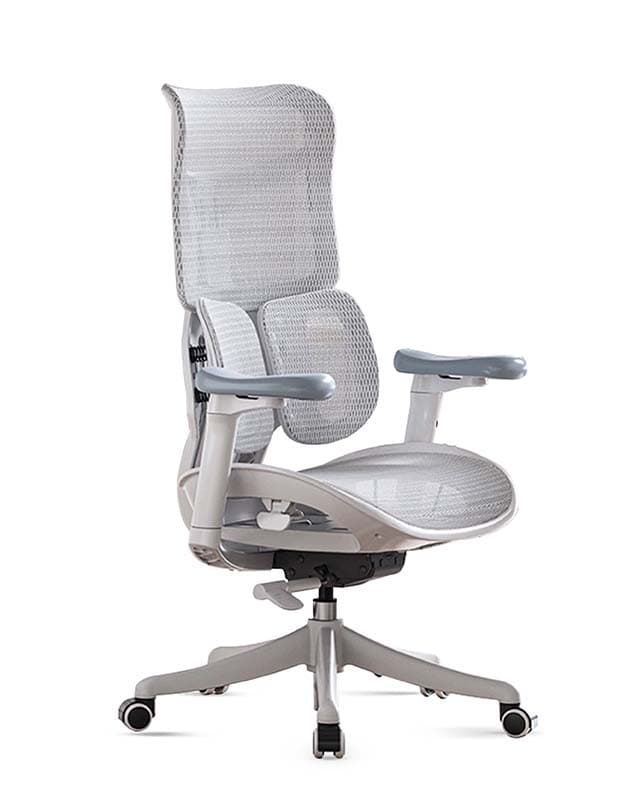
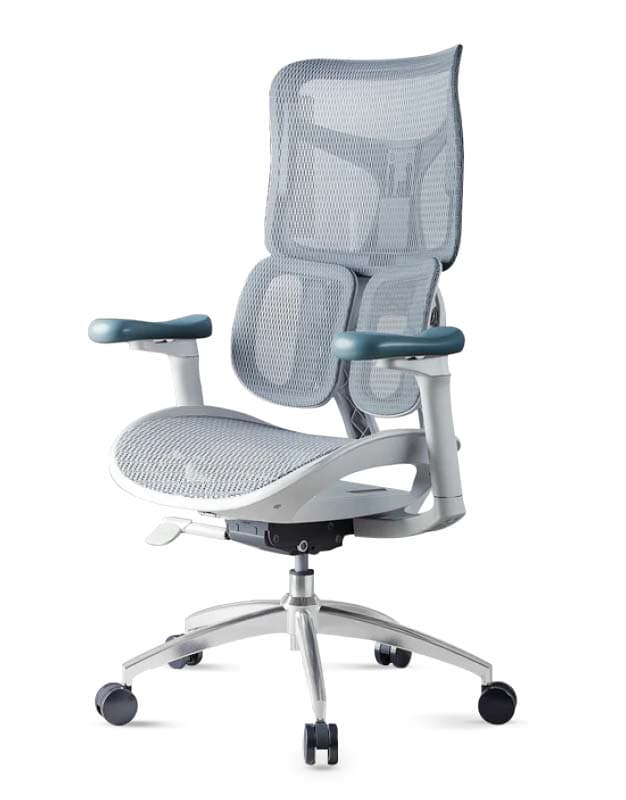
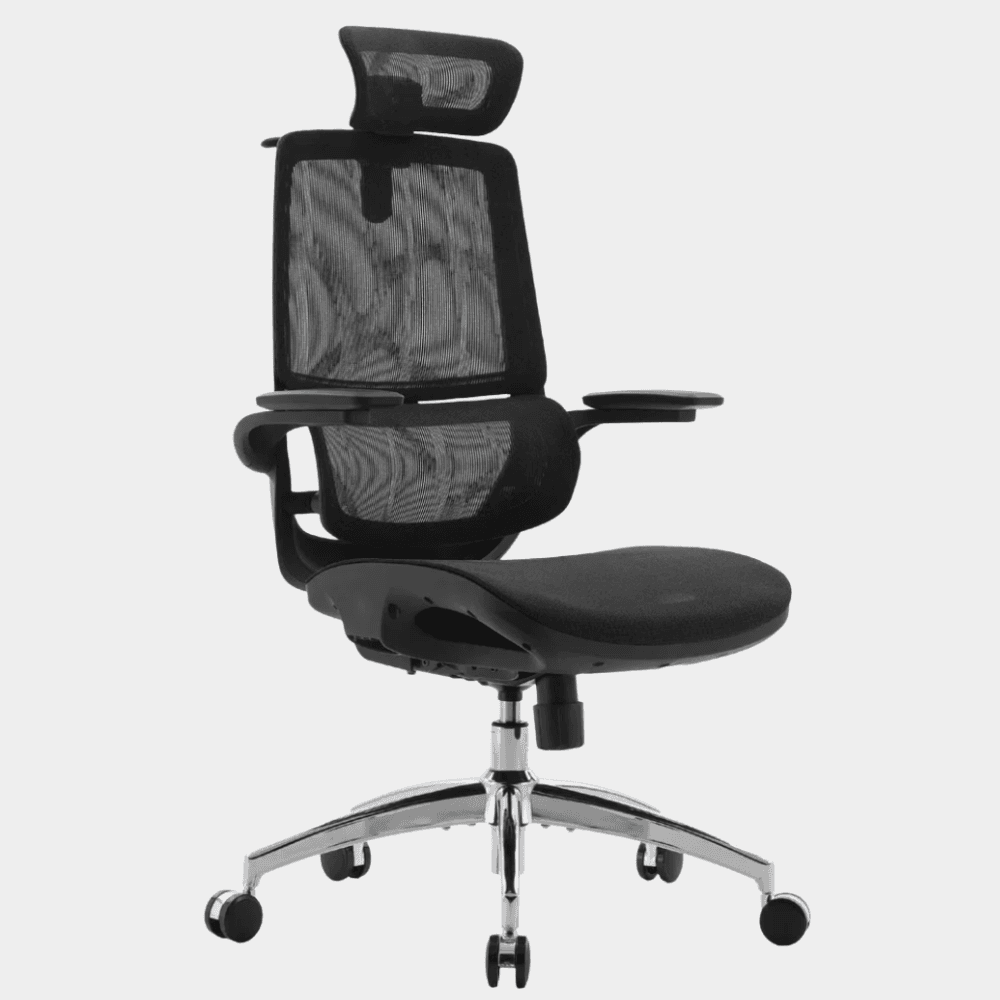
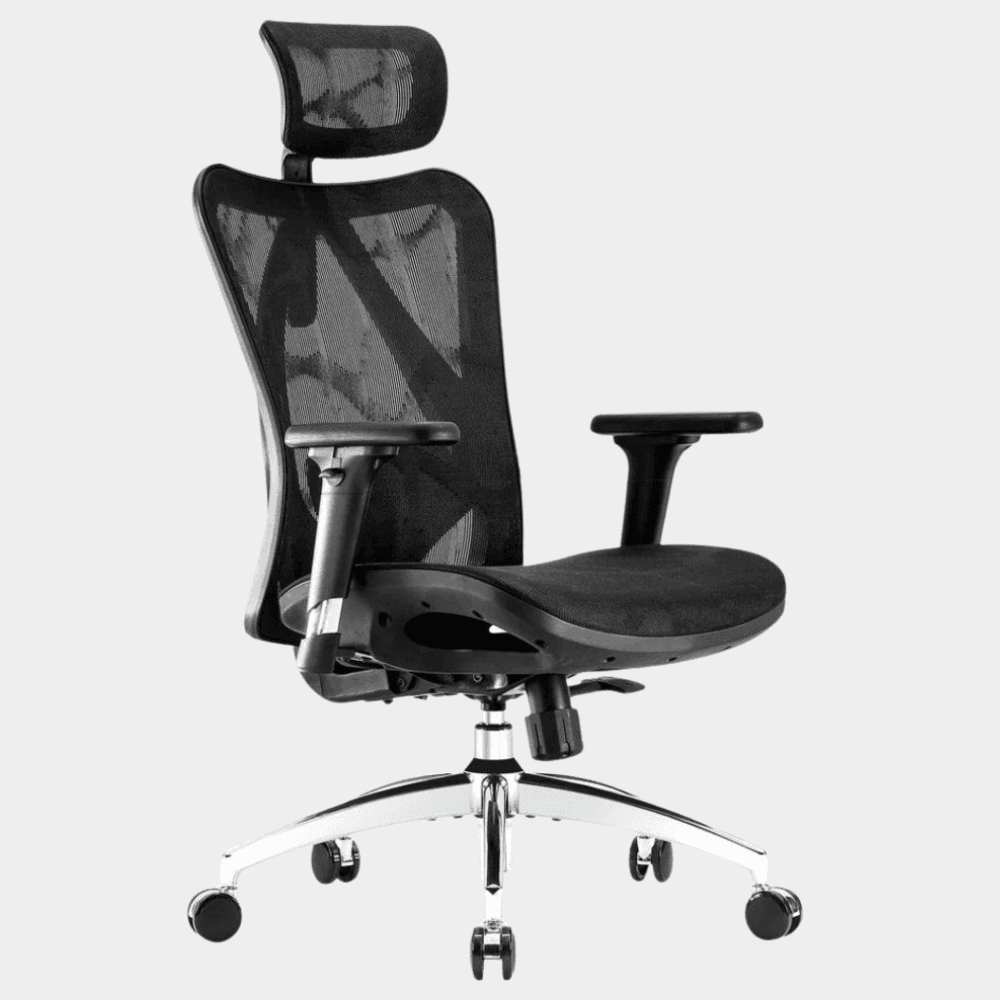
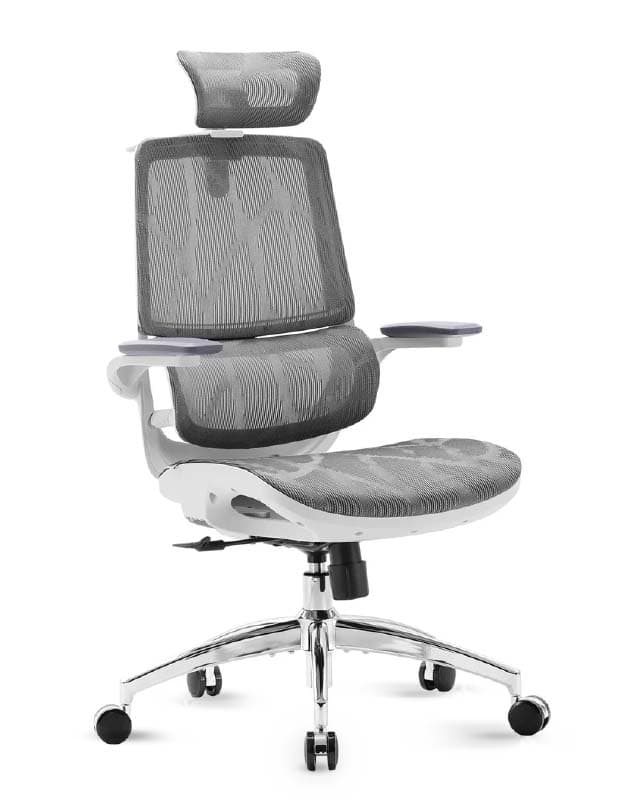
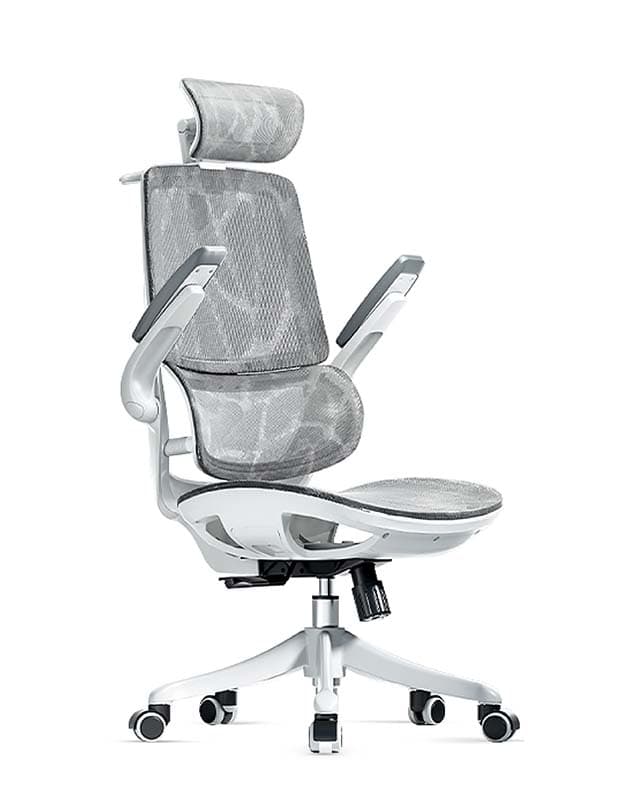
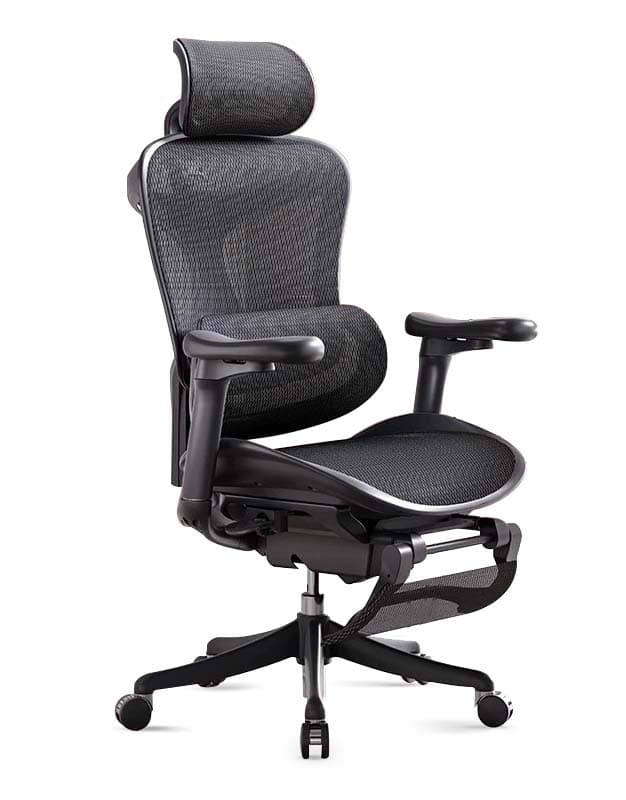
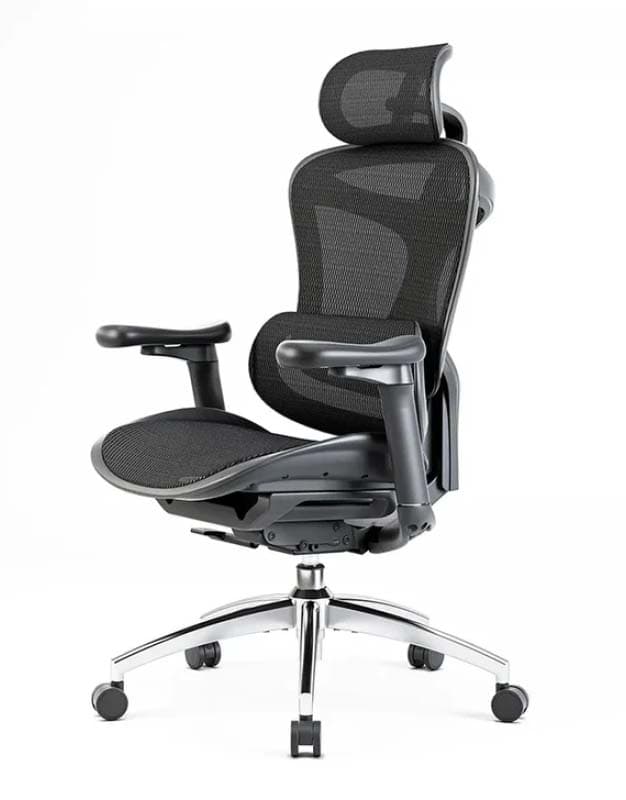
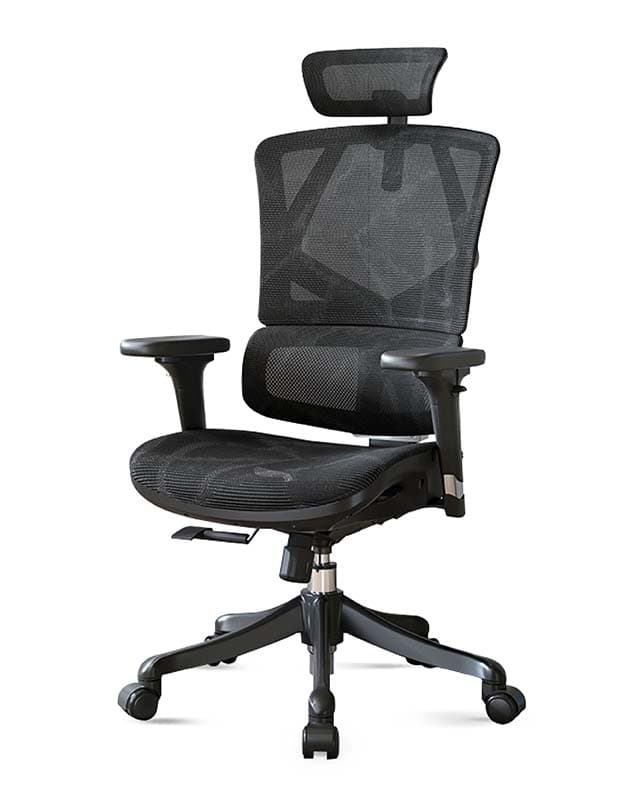
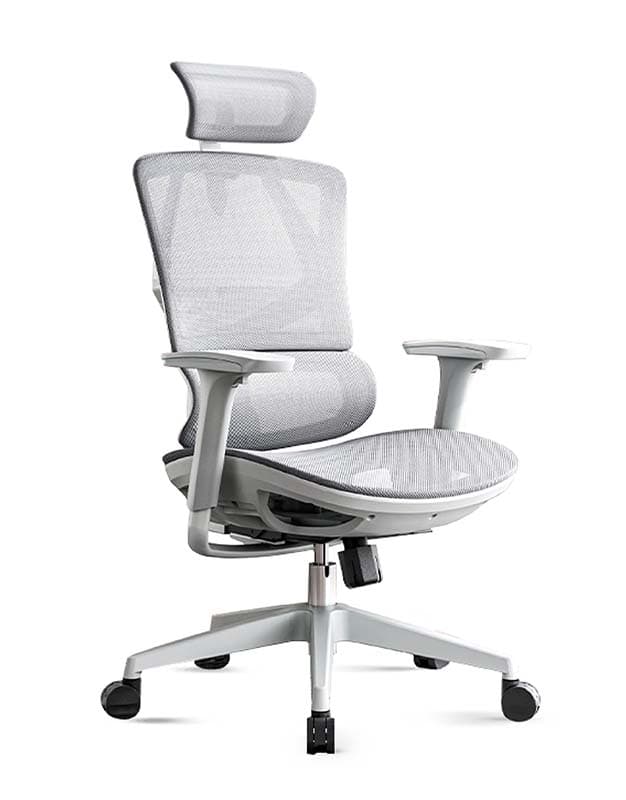
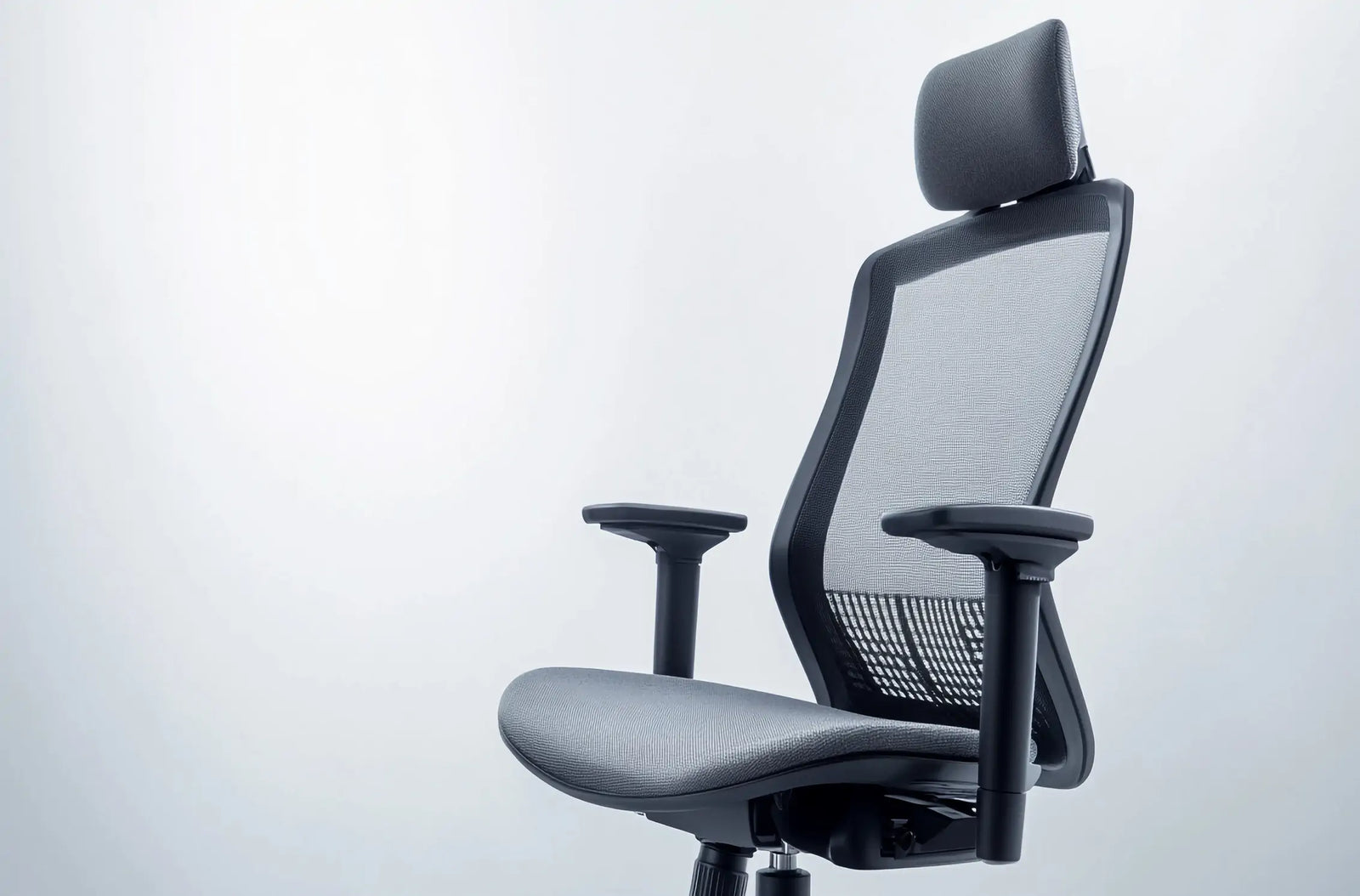
An ergonomic chair is a chair designed on the principles of ergonomics, the science that studies the relationship between the human body and the equipment it uses, with the aim of reducing pressure on the spine and muscles during long periods of sitting.
The key elements that set an ergonomic chair apart from an ordinary chair are:

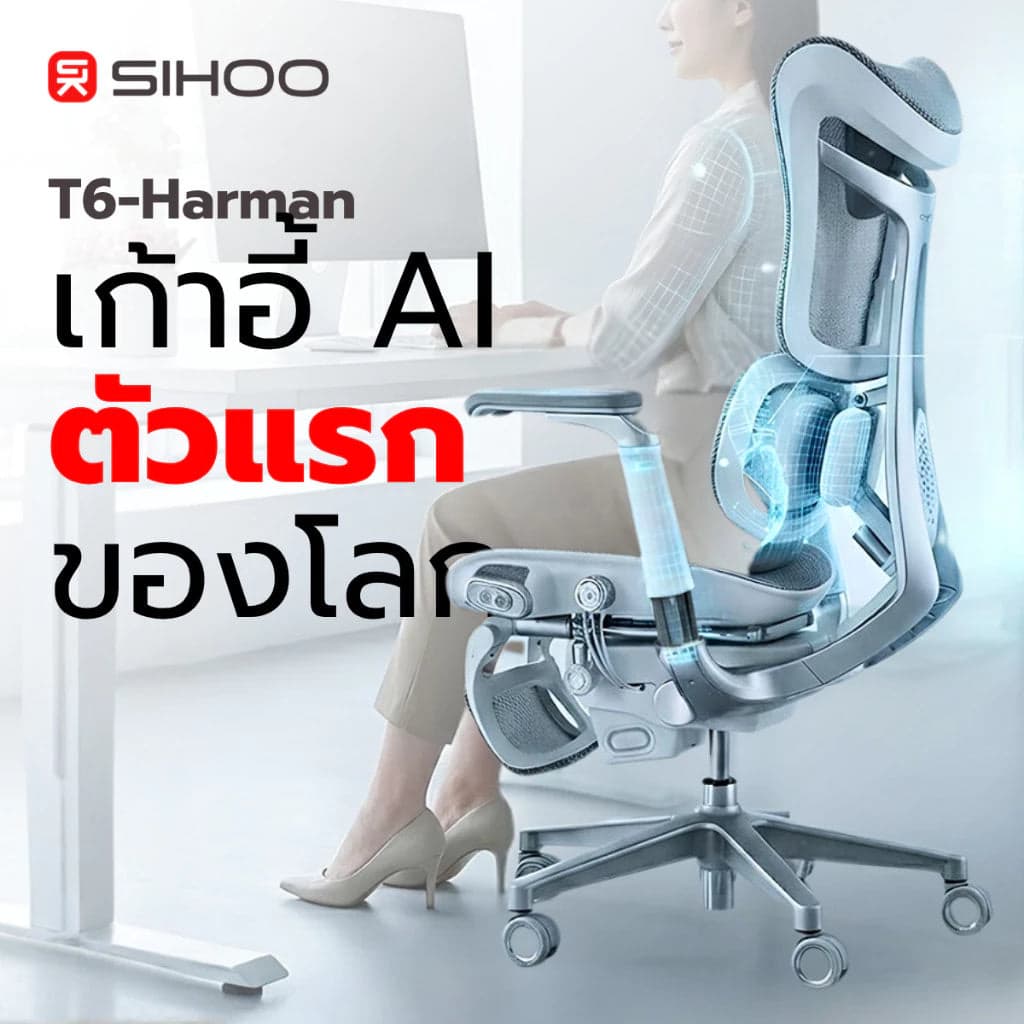
- A lower back support system (Lumbar Support) that adjusts in level to the curve of each person's spine; some models have an Adaptive Lumbar Support system that adjusts automatically to your sitting posture
- Breathable mesh material that reduces heat and moisture build-up during long periods of sitting, which suits Thailand's hot and humid climate
- A headrest and armrests that adjust in several directions to hold the neck, shoulders and arms in a suitable position
- A recline mechanism matched to body weight (Synchro-Tilt Mechanism) that helps distribute pressure when you change posture
- Seat height and seat angle adjustment (Seat Depth Adjustment) to suit each user's leg length
Ordinary Chair vs Ergonomic Chair Compared
| Comparison point | Ordinary chair | Ergonomic chair |
|---|---|---|
| Back support structure | No targeted support | Adjustable lumbar support system |
| Seat and backrest material | Standard foam, poor ventilation | Mesh or high-quality material, good ventilation |
| Adjustment to the body | Limited adjustment or none at all | Adjustable at multiple points to fit the body |
| Long-term health impact | Risk of back pain, neck pain and accumulated shoulder tightness | Reduces pressure and helps set up a correct sitting posture |
| Service life | Shorter, as the material flattens quickly | Longer, thanks to high-quality materials |
| Long-term value | Low cost but needs frequent replacement | Higher investment but worth it in the long run |
Who Is an Ergonomic Chair Right For?
- People who work at a computer continuously for 6 hours or more a day
- People with chronic lower back or neck pain from poor sitting posture
- People who work from home (Work From Home) and want equipment that supports long-term health
- Organizations that value employee well-being and work performance
How to Choose an Ergonomic Chair That Suits Your Use
- Consider the lower back support system. Choose a model whose lumbar support can be adjusted to the curve of your own back.
- Check the material and ventilation. Especially in Thailand's hot climate, a Full Mesh material reduces stuffiness better than a leather or ordinary foam seat.
- Try adjusting the height and recline angle to make sure your knees make a right angle with the floor and your back touches the full area of the backrest.
- Choose armrests that adjust in several directions to reduce pressure on the shoulders and wrists while typing.
- Consider the weight capacity and material construction for safe, durable use.
Sihoo Thailand offers several ergonomic chair models designed on ergonomic principles, such as the Doro series and the M-Series, which come with adjustable back support, breathable Full Mesh material and a recline mechanism that matches the user's body weight. They suit people who want to improve their health while working.
Frequently Asked Questions About Ordinary Chairs and Ergonomic Chairs
How is an ergonomic chair different from an ordinary chair? An ergonomic chair is designed on ergonomic principles, with lower back support and height and recline adjustment to fit the body, while an ordinary chair has a simple structure and limited adjustability.
Is it dangerous to sit in an ordinary chair for a long time? Sitting for a long time in a chair that does not support the body may increase the risk of lower back pain, neck pain and accumulated shoulder tightness, and can also affect posture in the long run.
Ergonomic chairs cost much more than ordinary chairs. Are they worth it? Although an ergonomic chair costs more at first, its quality materials, longer service life and long-term health benefits make it a worthwhile investment for people who sit and work regularly.
Who should switch to an ergonomic chair? People who work at a computer continuously for long periods, have back or neck pain from sitting, or work from home regularly should consider switching to an ergonomic chair to look after their body in the long term.
About the Authors and References
This article was compiled by the Sihoo Thailand team, who study and follow ergonomics knowledge and the design of products for healthy long-hour sitting at work on an ongoing basis. It draws on principles from international ergonomics research on the effects of sitting posture on the spine and muscles, as well as international-standard guidelines for work chair design, so that readers have accurate and useful information to help them decide which product to buy.
Conclusion
Choosing between an ordinary chair and an ergonomic chair depends on how you use it and your budget, but if you have to sit and work continuously for long hours each day, an ergonomic chair is the better long-term investment, both for the health of your back and spine and for better work performance.
If you are looking for an ergonomic chair fully designed on ergonomic principles, you can explore more of the Sihoo Thailand product range to choose a model that suits your way of working and your body.