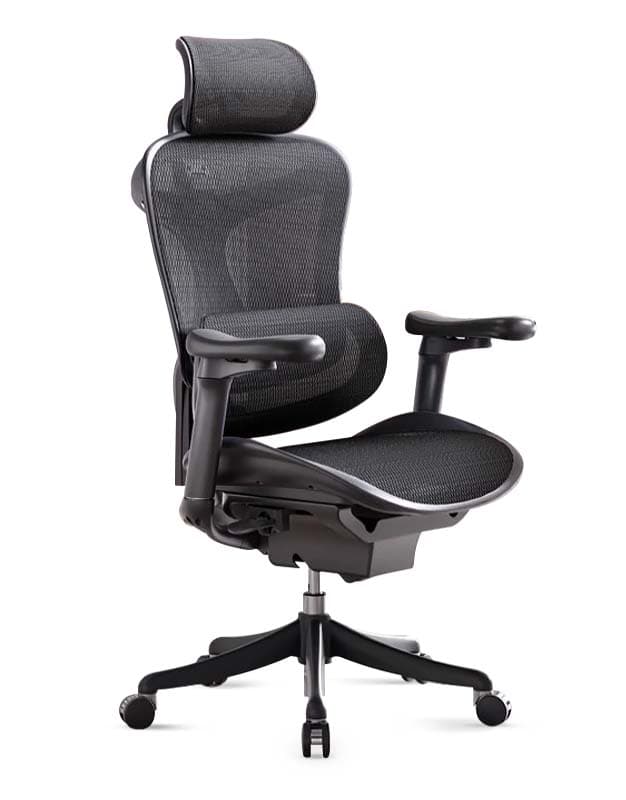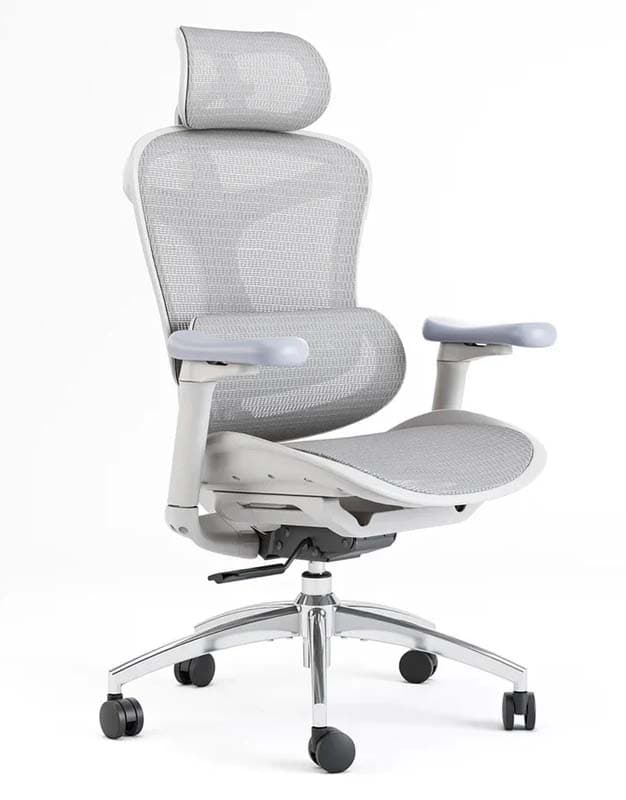
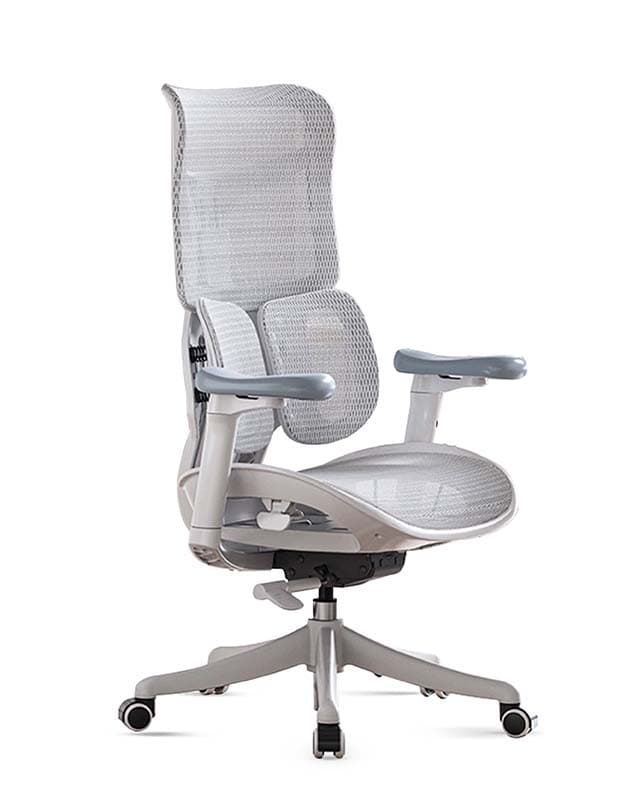
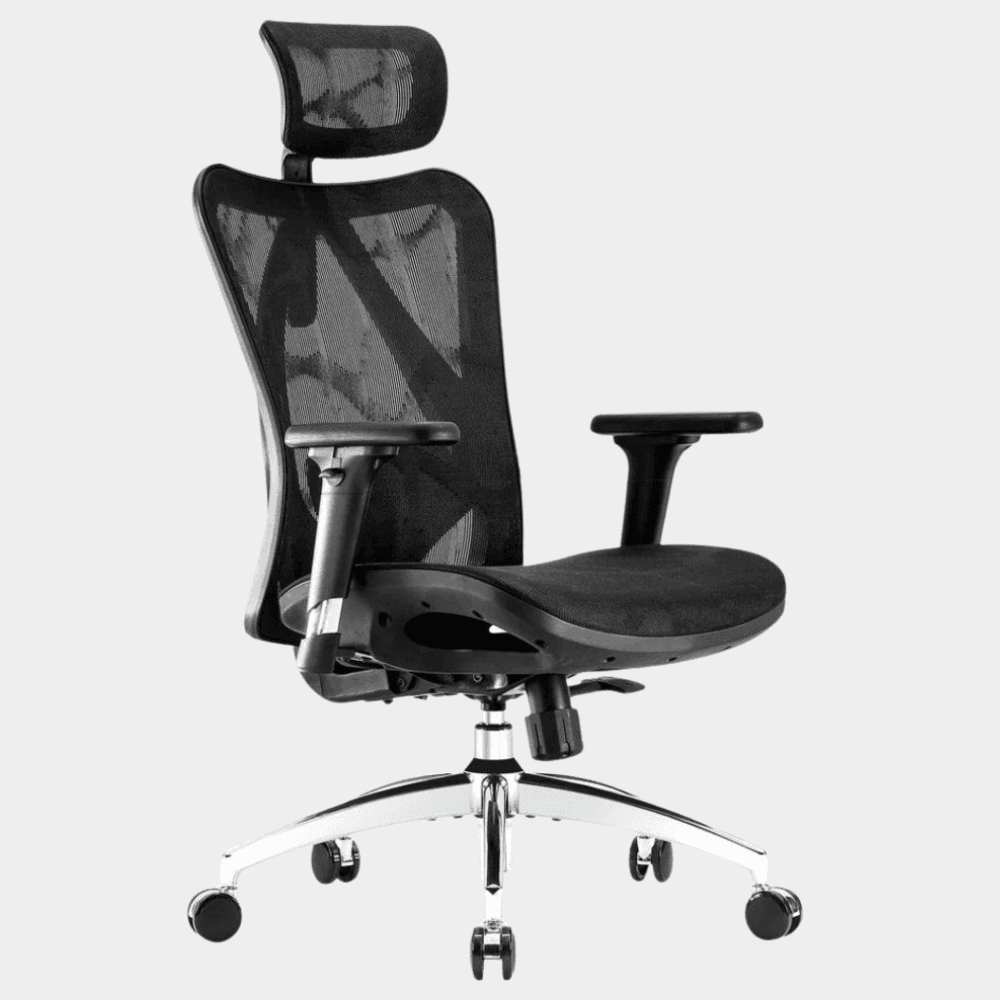
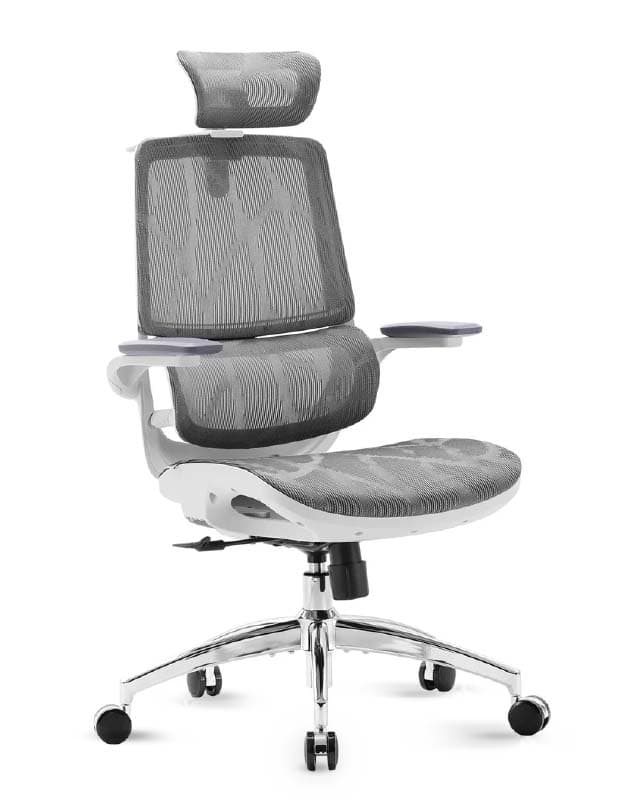
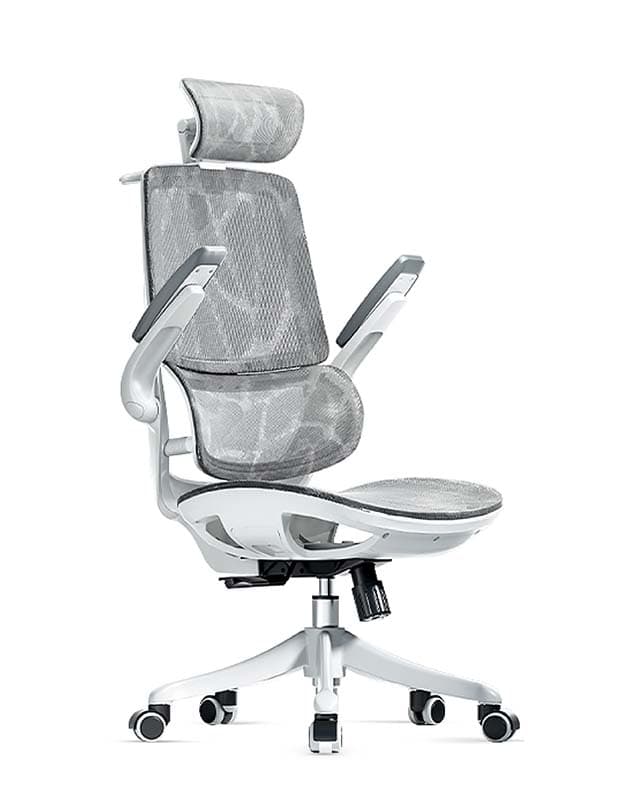
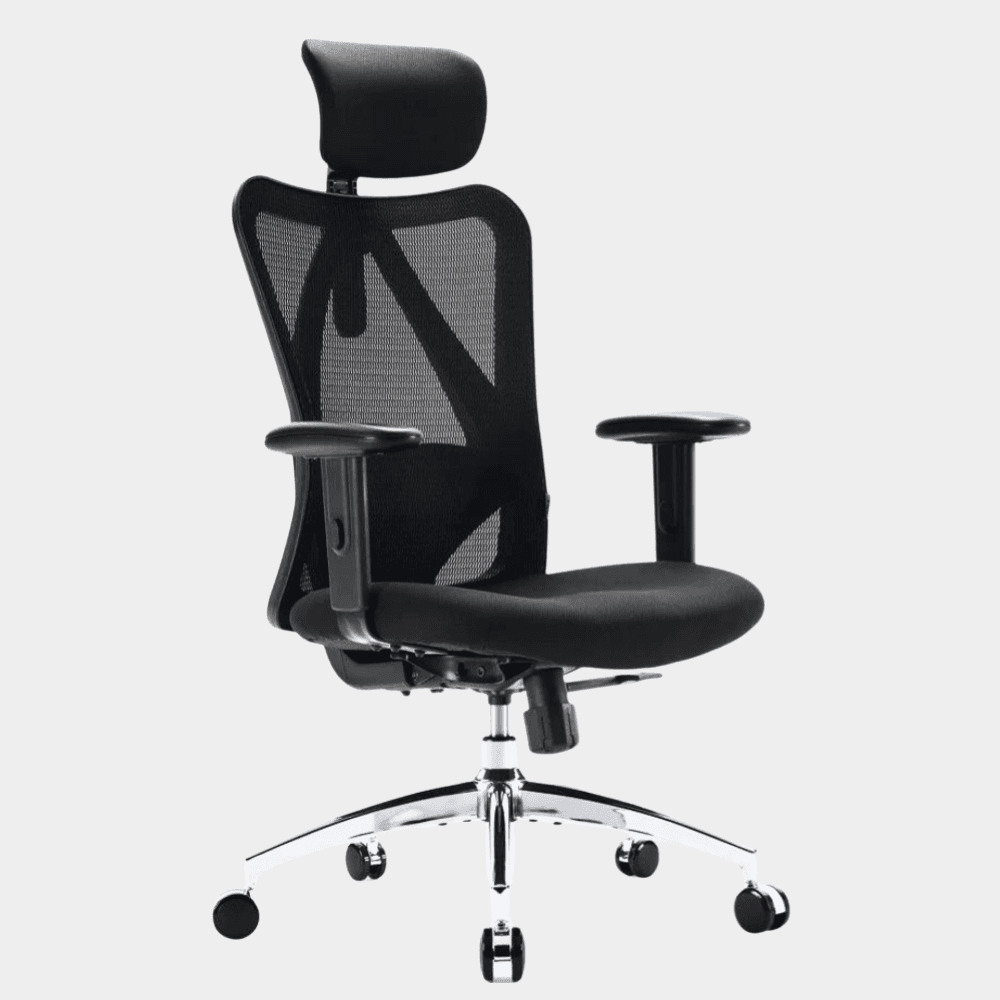
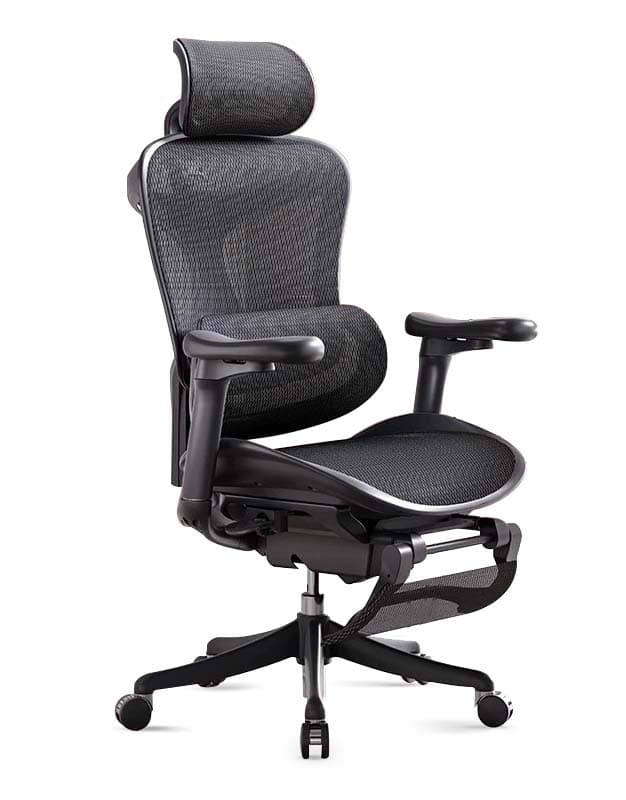
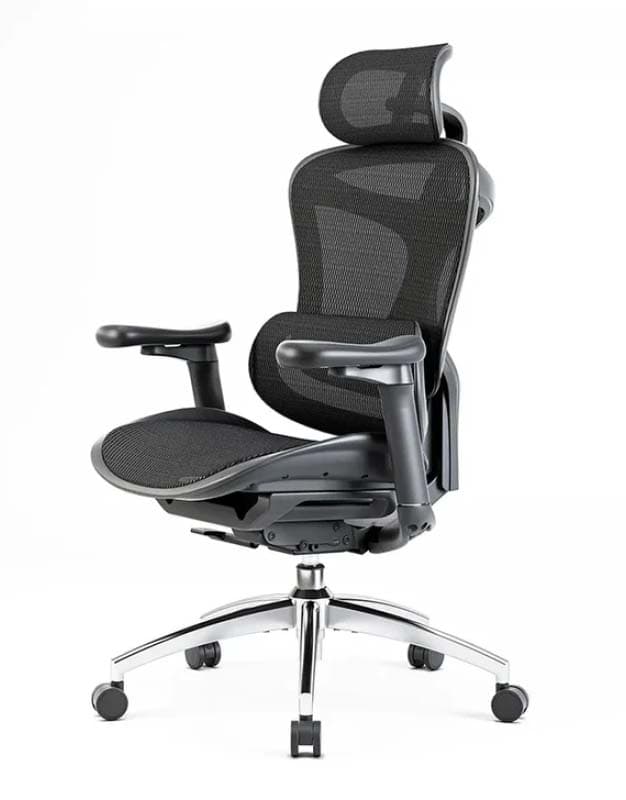
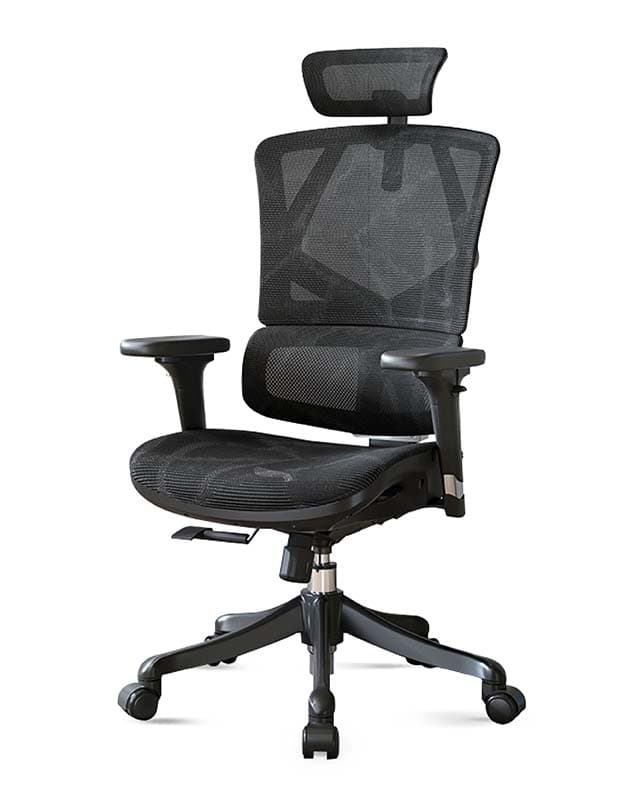
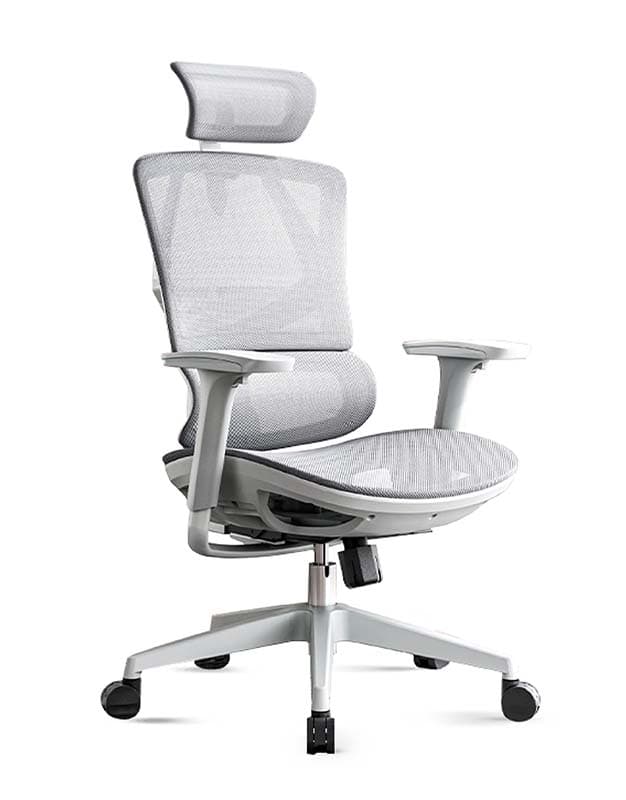
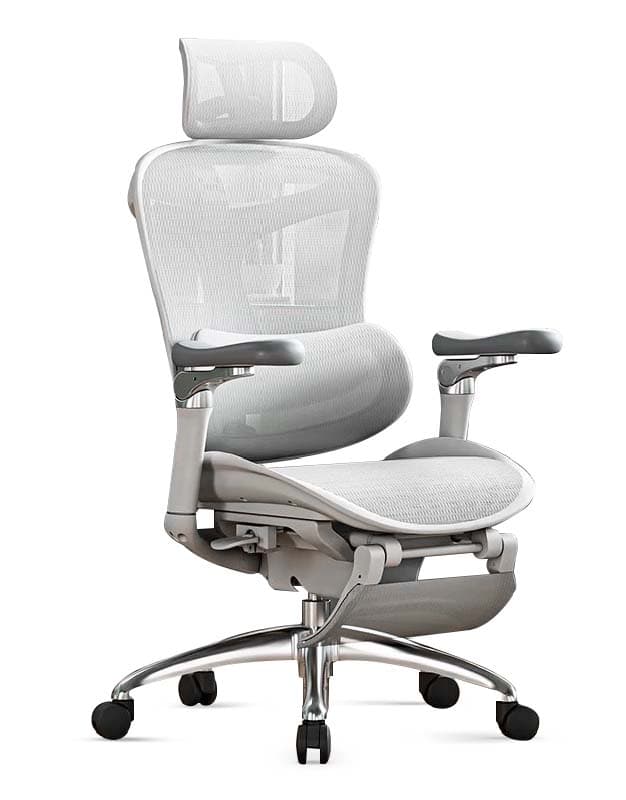
If your budget for an ergonomic chair sits somewhere between 10,000 and 20,000 baht, SIHOO's Doro family is probably on your shortlist, and three names come up more than any others: the Doro S100, the Doro C100 and the Doro C300. They look alike at a glance, but they support your back in noticeably different ways. This guide walks through the differences one by one and suggests who each chair suits.
Every specification here comes from the SIHOO Thailand product pages. Prices are the website prices as of November 2026 and can change with promotions, so check each product page before you order.
The short version
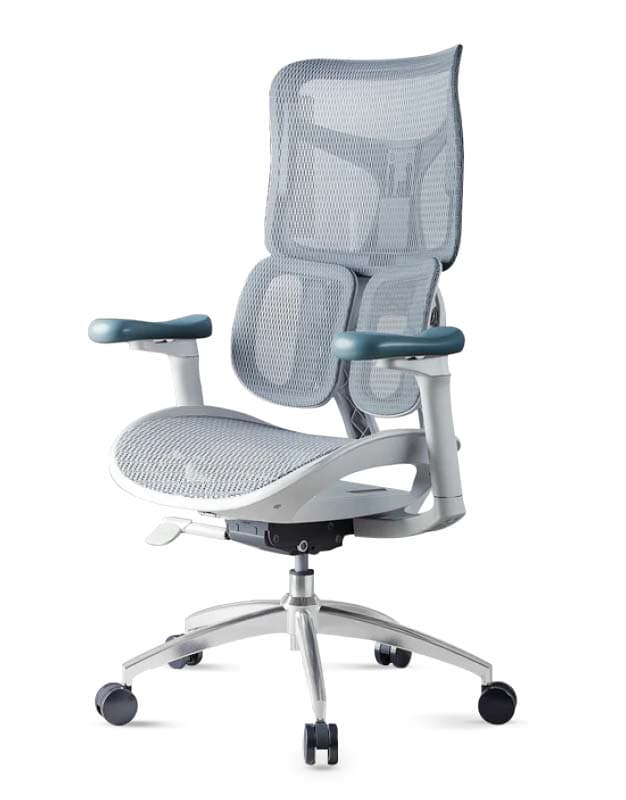
- Doro S100: a three-part Butterfly Wing backrest with 6D lumbar support. Best for people who want lower-back support that moves with them and do not need a headrest.
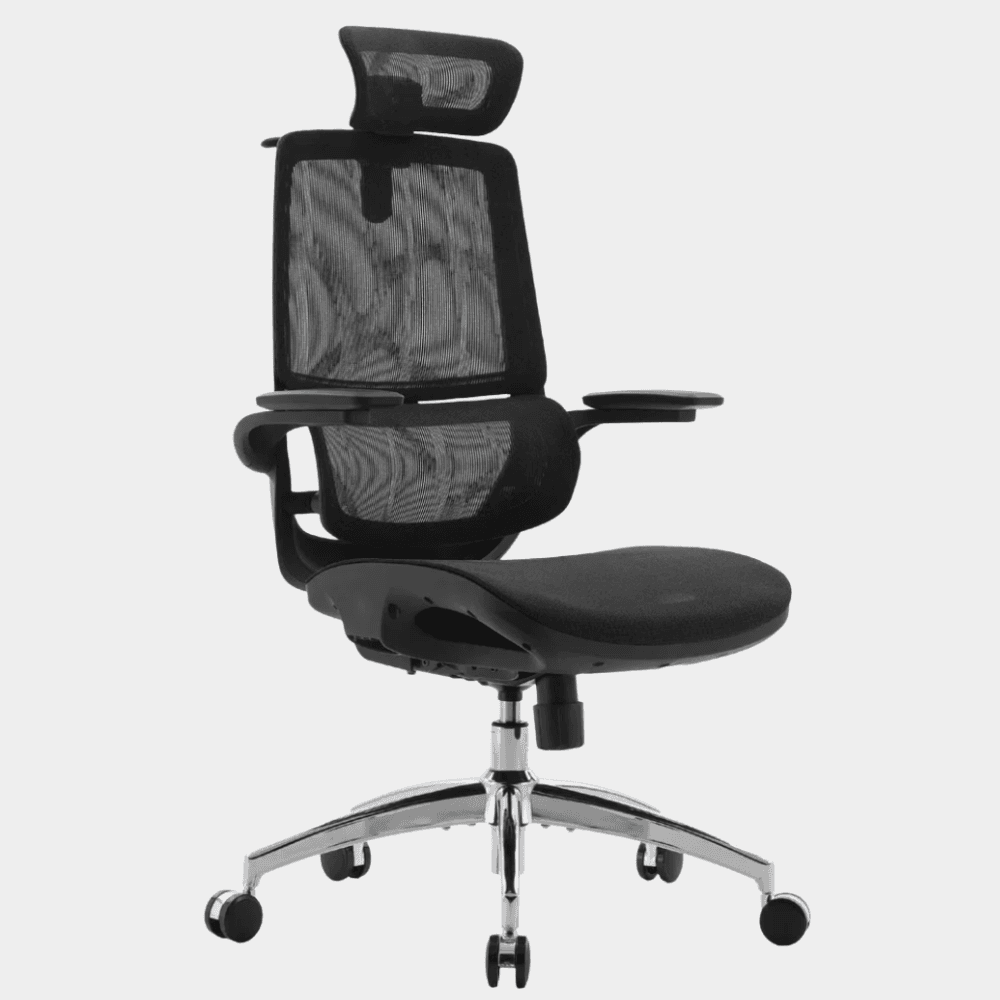
- Doro C100: adds a headrest, automatic Domino lumbar support and a sliding seat (seat-depth adjustment). The entry point to the C series, at a price close to the S100.
- Doro C300: the same idea as the C100, stepped up with 6D armrests and a polished aluminium base. For people who sit all day and want the finest adjustment of the three.
Doro S100 vs C100 vs C300 at a glance
| Feature | Doro S100 | Doro C100 | Doro C300 |
|---|---|---|---|
| Website price (Nov 2026) | ฿9,900 (S100-FT ฿11,750) | ฿9,750–10,750 | ฿15,500–16,500 (C300-FT ฿17,500) |
| Backrest | Three-part Butterfly Wing | S-shaped backrest | S-shaped backrest |
| Lumbar support | 6D lumbar, 7 cm height travel | Automatic Domino lumbar + soft rubber support, 4 height positions | Automatic Domino lumbar + soft rubber support, 4 height positions |
| Headrest | None listed on the product page | Height, forward/back and angle | Height, forward/back and angle |
| Armrests | 4D | 3D (4D on the C100-S) | 6D, 35° upward tilt, 50 mm forward/back |
| Seat-depth adjustment | Not stated | Yes (sliding seat) | Yes (sliding seat) |
| Seat cushion | Waterfall cushion | Curved cushion | Curved cushion |
| Recline | 98°–135°, locks in 3 positions | Reclines (angle not stated) | Reclines (angle not stated) |
| Gas lift | Class 4 | Class 4 | Class 4 |
| Base | PA (chrome on the S100-S) | PA (chrome on the C100-S) | 350 mm polished aluminium |
| Footrest | On the S100-FT | On the C100-FT | On the C300-FT |
To see every row side by side on one screen, open the S100 / C100 / C300 comparison.
Difference one: how each chair supports your back
S100: a three-part backrest that moves with you
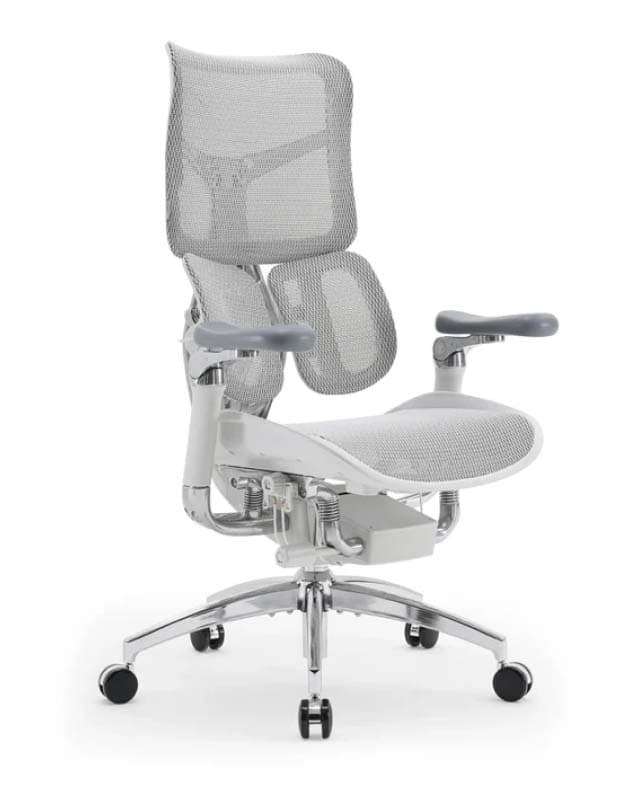
The headline feature of the Doro S100 is its Butterfly Wing backrest, split into three sections and paired with 6D lumbar support that travels 7 cm up and down. Instead of one rigid panel, the backrest follows you as you twist and lean. If you shift position a lot, reach sideways for things or swap how you sit through the day, the S100 tends to keep supporting you even when you are not sitting perfectly upright.
C100 and C300: Domino lumbar that adapts on its own
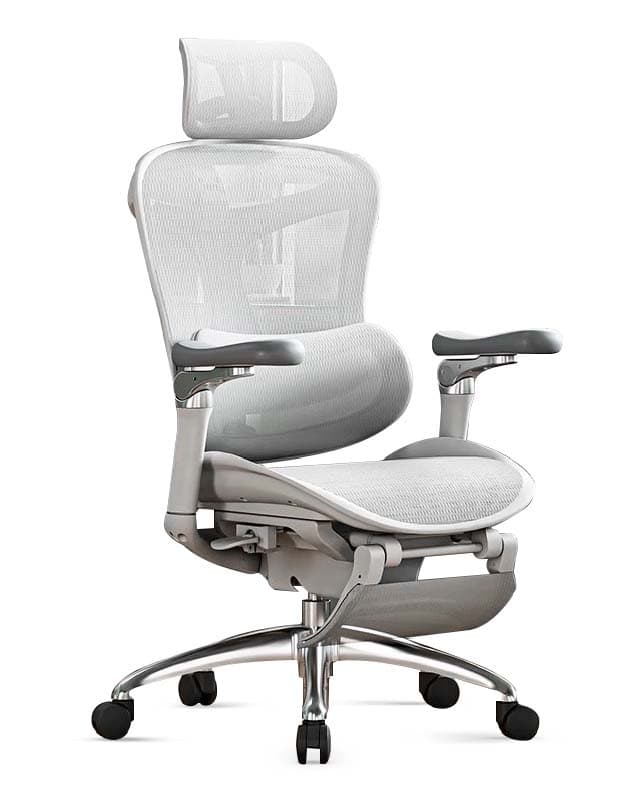
The C series uses an S-shaped backrest that follows the spine, with Domino lumbar support that adapts to your lower back automatically, plus a triangular soft-rubber support you can set at four heights. It feels more like steady, continuous support than the S100 does, which suits people who spend most of the day leaning back into the chair: writing, accounting, long video calls.
Difference two: neck, shoulders and arms
If your neck or shoulders often feel tight, look at two things first: the headrest and the armrests.
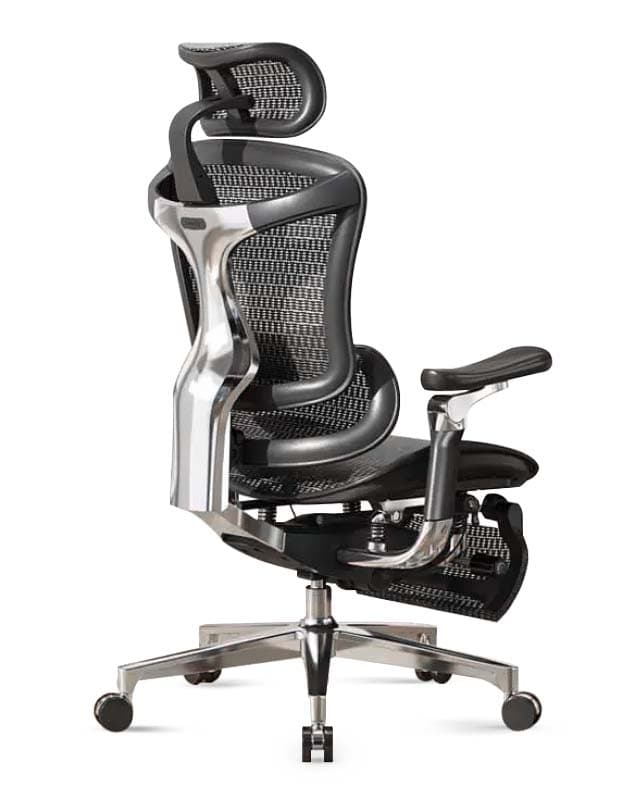
- Headrest: the C100 and C300 have a headrest that adjusts for height, depth and angle. The S100 product page does not list a headrest. If you like to lean your head back during the day, the C series is the better fit.
- Armrests: the S100 has 4D armrests (7 cm of height, 60° inward/outward swivel, 3 cm forward/back). The C100 has 3D armrests, and the C300 goes to 6D, with a 35° upward tilt and 50 mm of forward/back travel. If you keyboard and mouse all day and want your forearms level with the desk, the C300 is the most flexible.
Difference three: the seat and seat depth
Seat depth is easy to overlook, yet it matters a great deal if you are shorter or taller than average. A seat that is too deep stops your back reaching the backrest; one that is too shallow leaves your thighs unsupported.
The C100 and C300 have a sliding seat, so you can set the depth to suit the length of your thighs. The S100 uses a waterfall cushion whose front edge curves down to ease pressure behind the knees, but its product page does not mention a sliding seat. If you are under about 160 cm or over about 180 cm, try the chair first or choose a model with depth adjustment.
Difference four: base, materials and feel
All three use a Class 4 gas lift that the product pages list as BIFMA and SGS certified. The difference is the base: the S100 and C100 use a PA base (the -S versions have a chrome base), while the C300 stands on a 350 mm polished aluminium base that feels more solid and looks more upmarket in a home office or executive room.
What about the Doro S300?
Plenty of people also search for the "Doro S300", which has been widely reviewed abroad. The S300 is not currently listed on the SIHOO Thailand website, so we have left it out of the table rather than risk giving you wrong figures. If you are set on that model, ask the team directly. If you want something above the C300 from the current range, look at the Doro C500-FT and the Doro S500-FT.
Which one fits the way you work?
| If you… | Consider | Why |
|---|---|---|
| move around a lot, rarely rest your head, budget under 10,000 baht | Doro S100 | Three-part backrest that follows you, reclines to 135° |
| get neck and shoulder ache and want a headrest, budget around 10,000 baht | Doro C100 | Three-way adjustable headrest and a sliding seat |
| sit 8 hours or more and want every point adjustable | Doro C300 / C300-FT | 6D armrests, aluminium base, optional footrest |
| like to recline and put your feet up during breaks | The -FT version of any of them | Built-in footrest |
Checklist before you decide
- Measure yourself and your desk. Most desks are around 72–75 cm high. If a chair cannot bring your elbows level with the desk, it will not feel right however much it costs.
- Count your real sitting hours. If you regularly sit for more than 6 hours, the extra adjustment on the C300 pays off over time.
- Notice how often you rest your head. If you almost never do, the S100 saves money without losing anything you would use.
- Sit in them if you can. The Butterfly Wing backrest and Domino lumbar feel different in ways that words do not fully capture.
The bottom line
None of these is "the best" for everyone. The S100 stands out for a backrest that moves with you at under 10,000 baht; the C100 adds a headrest and a sliding seat for about the same money; and the C300 is the most adjustable of the three for people who sit all day. Still undecided? Answer a few quick questions in the Chair Finder, or book a showroom visit and let your back make the call.