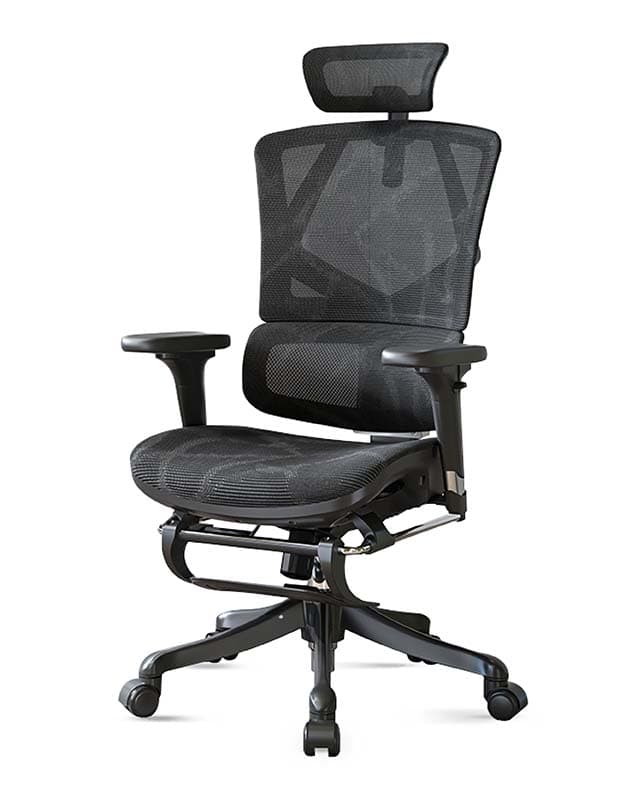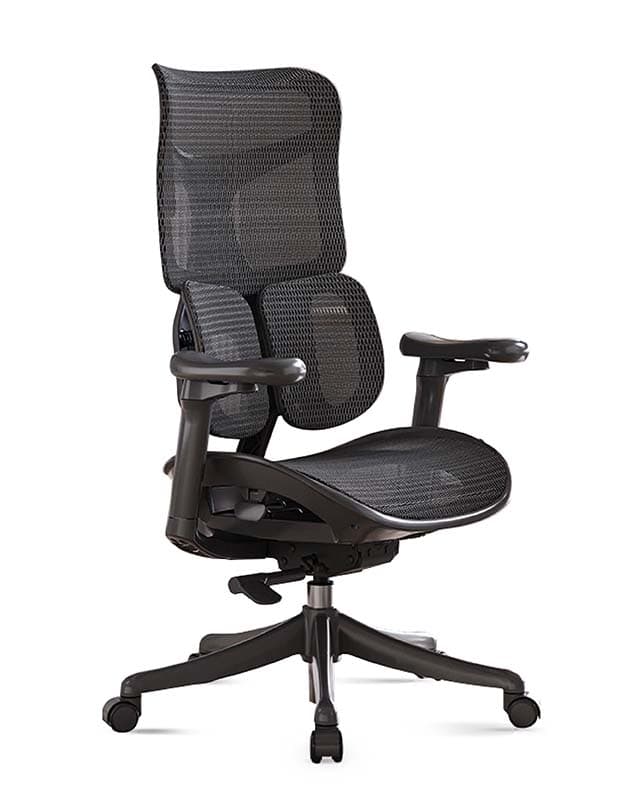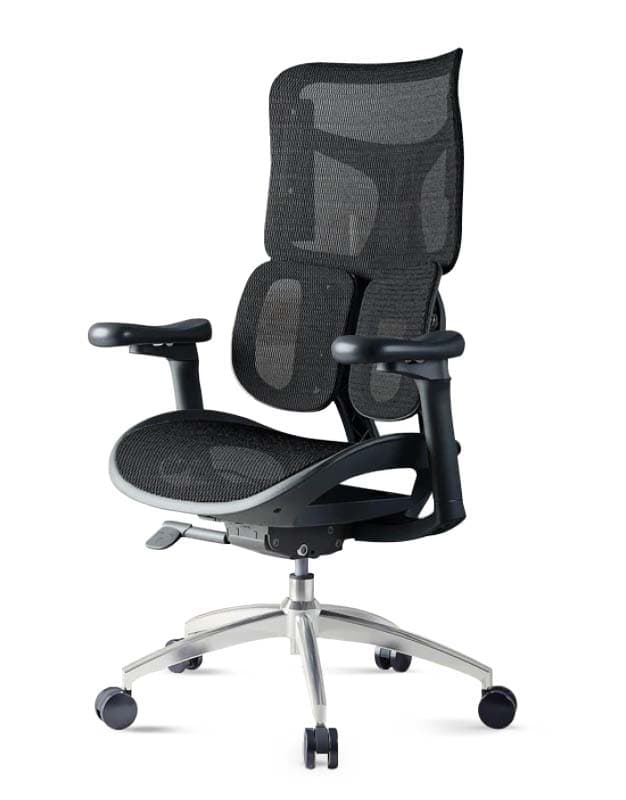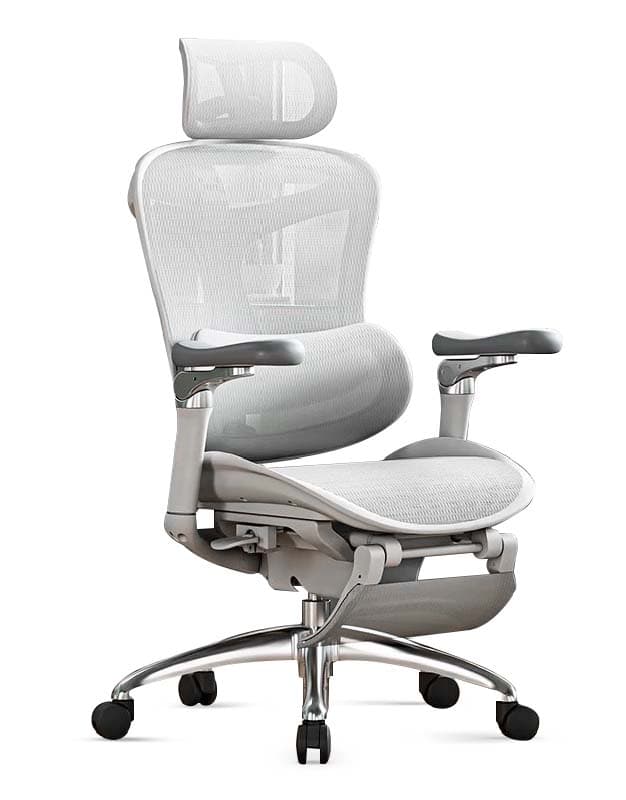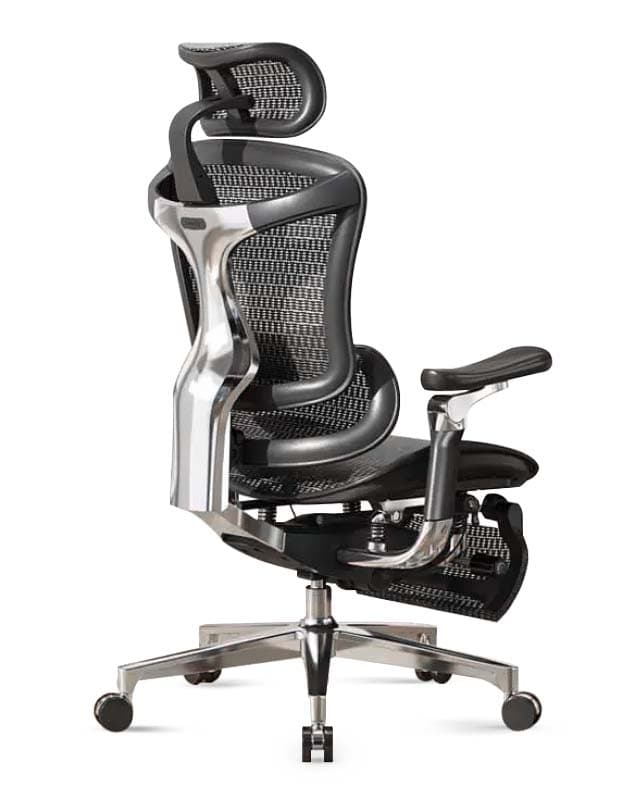
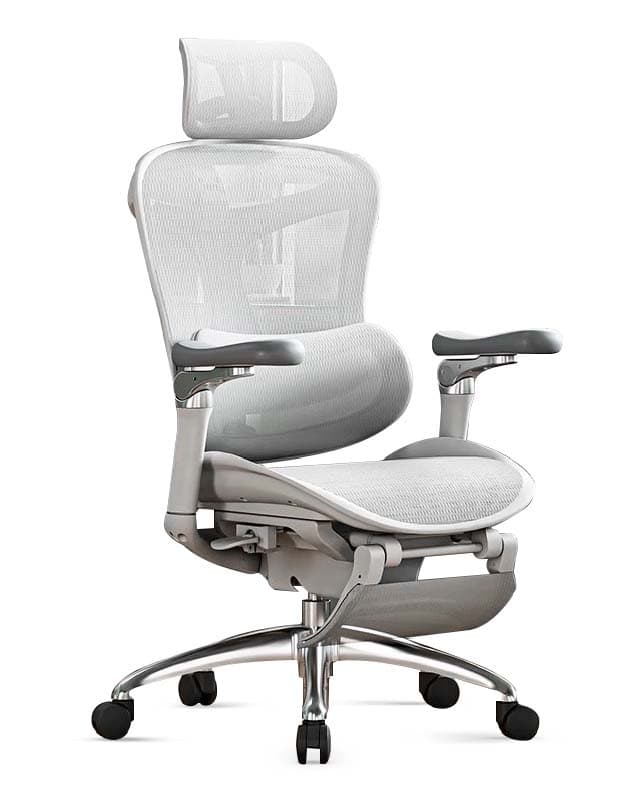
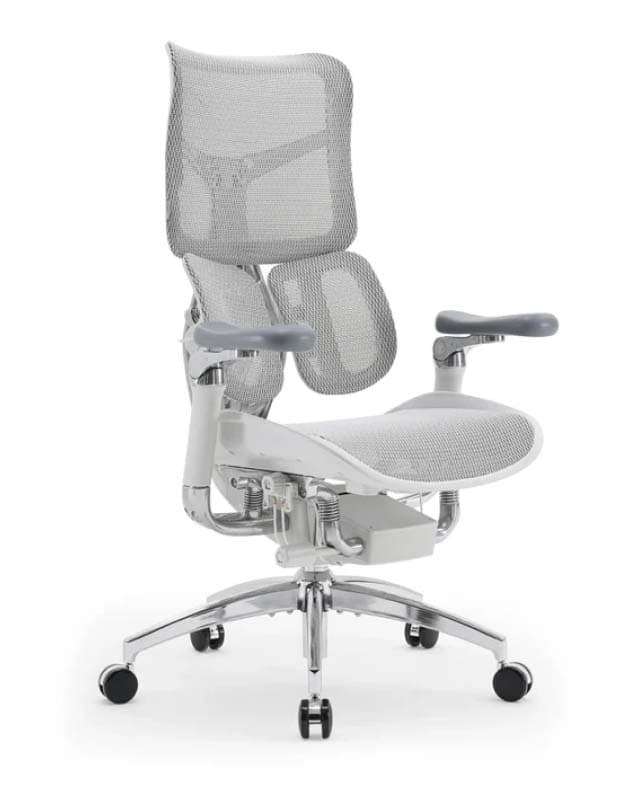
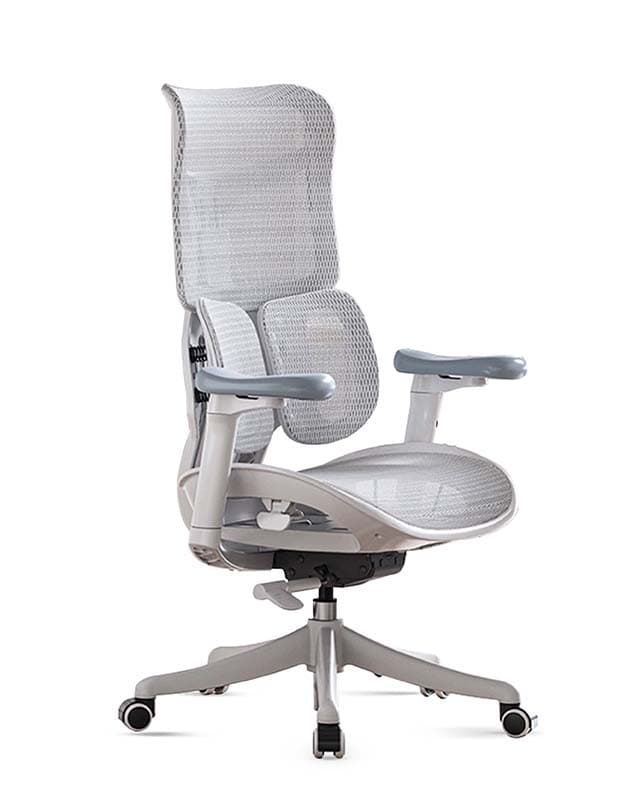
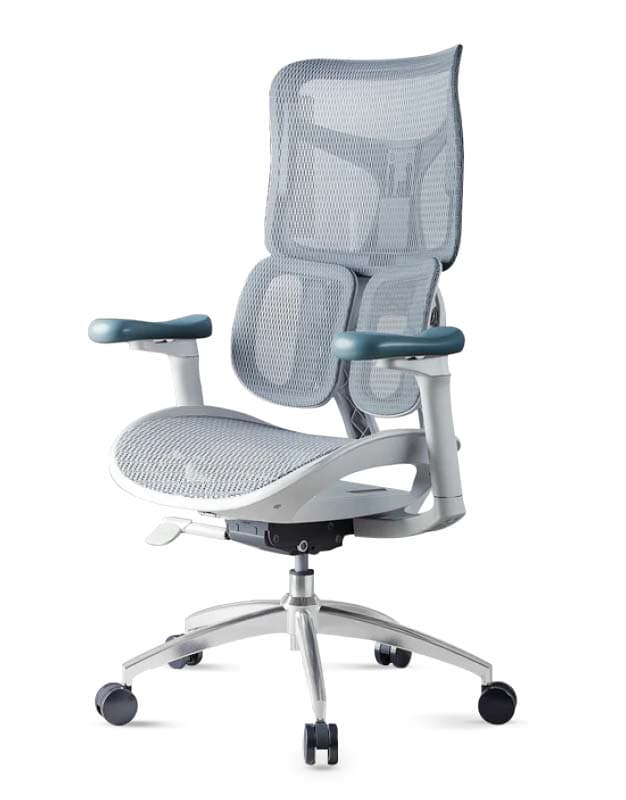
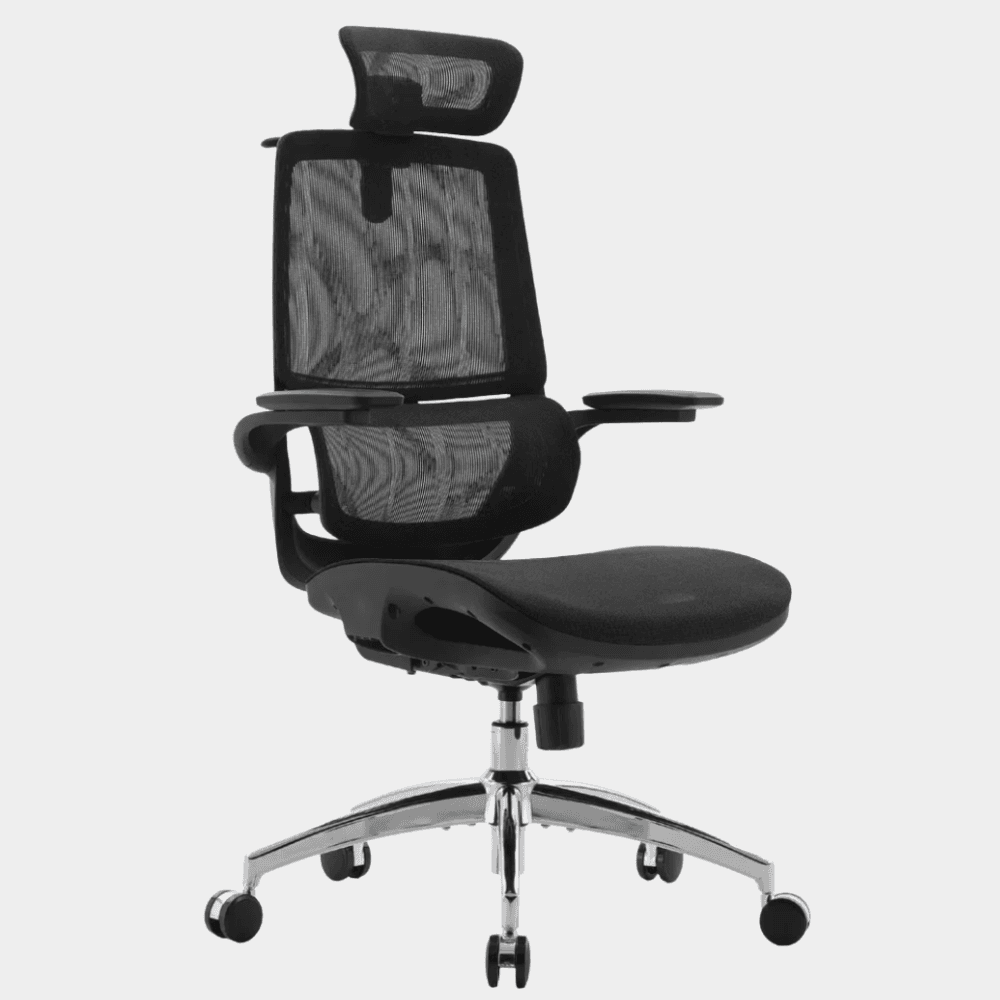
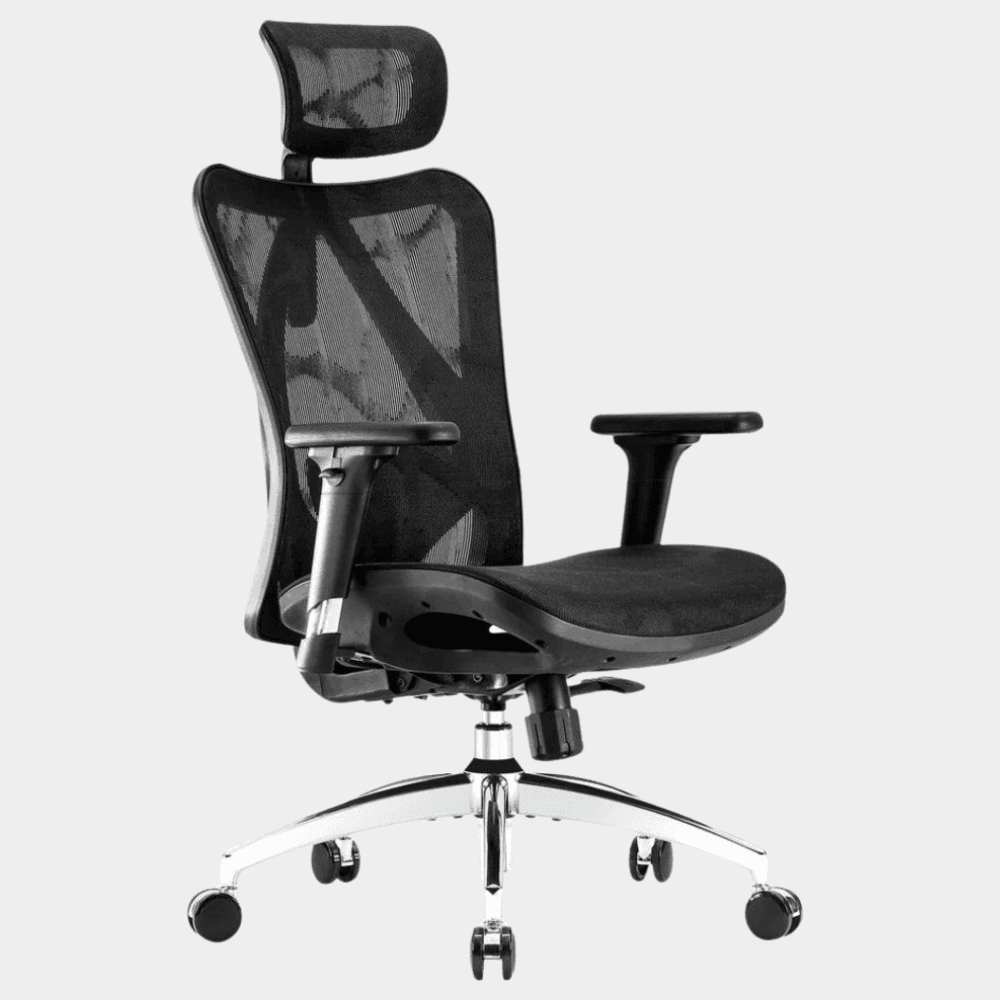
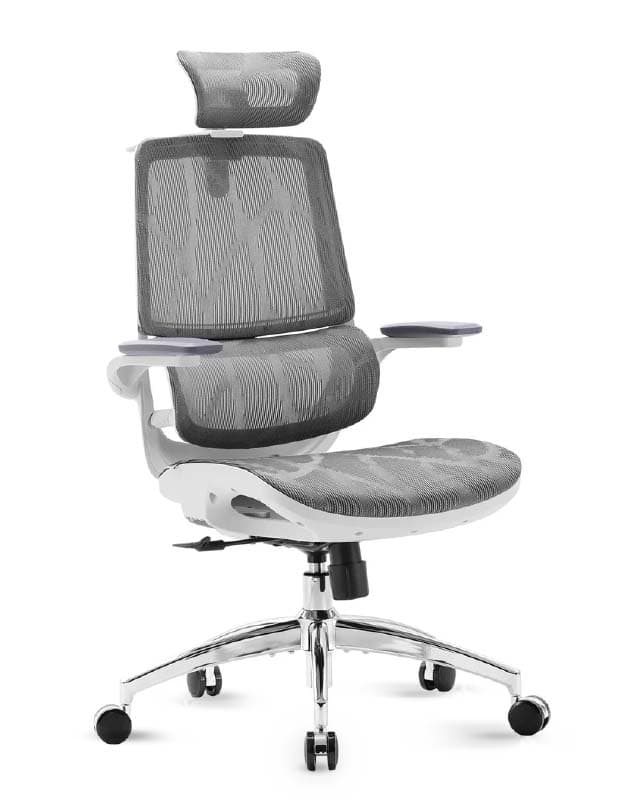
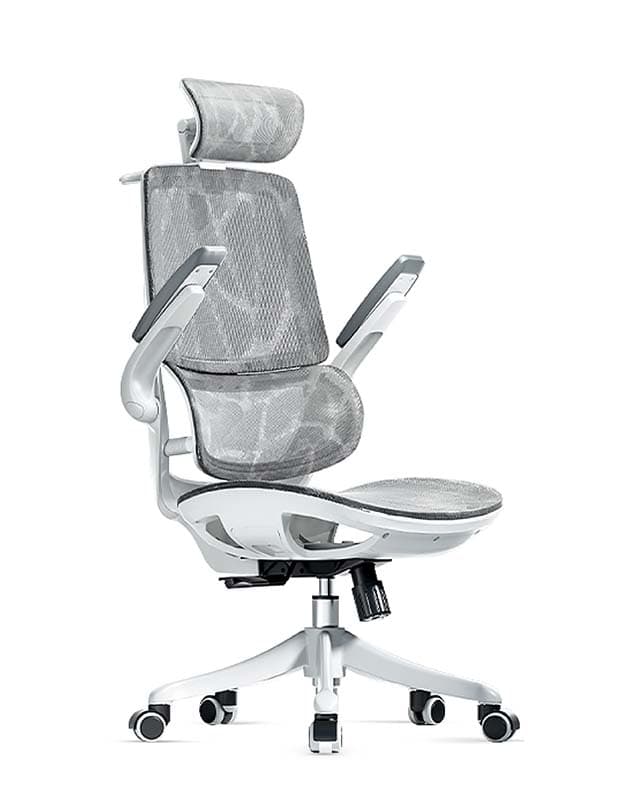
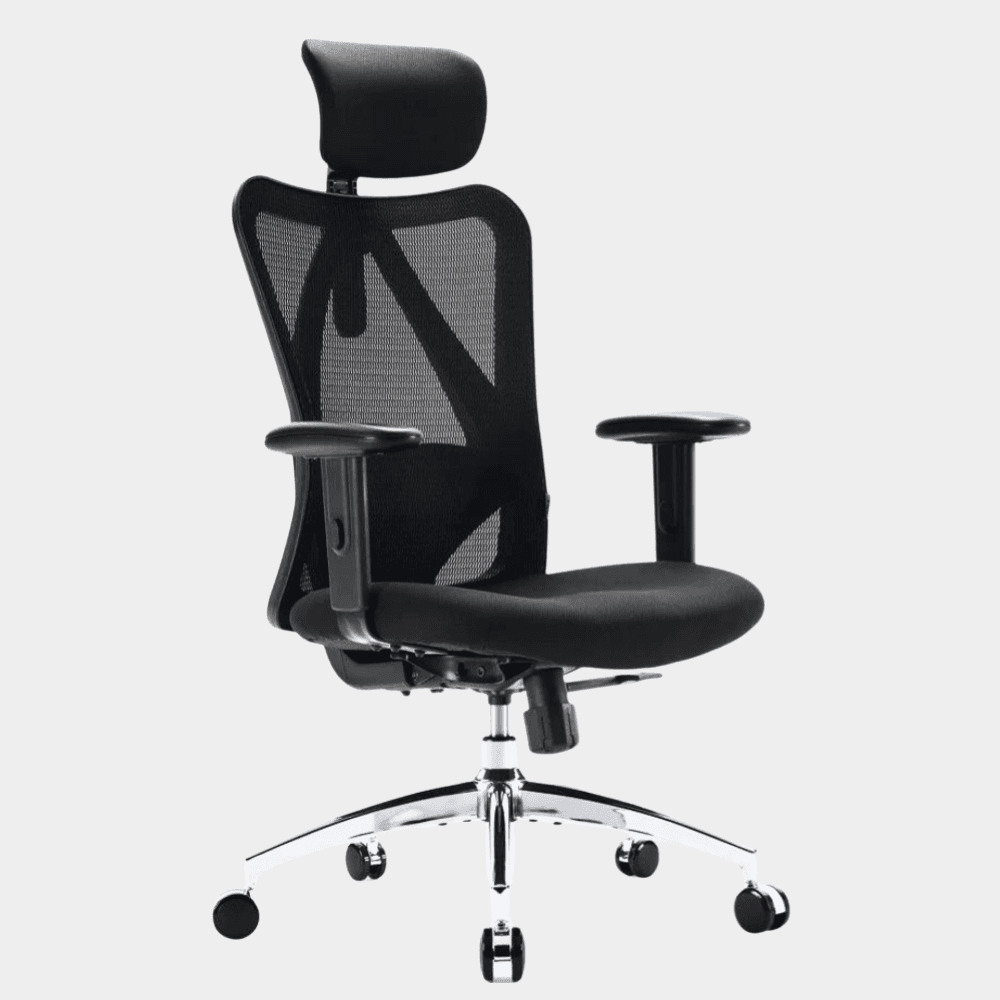
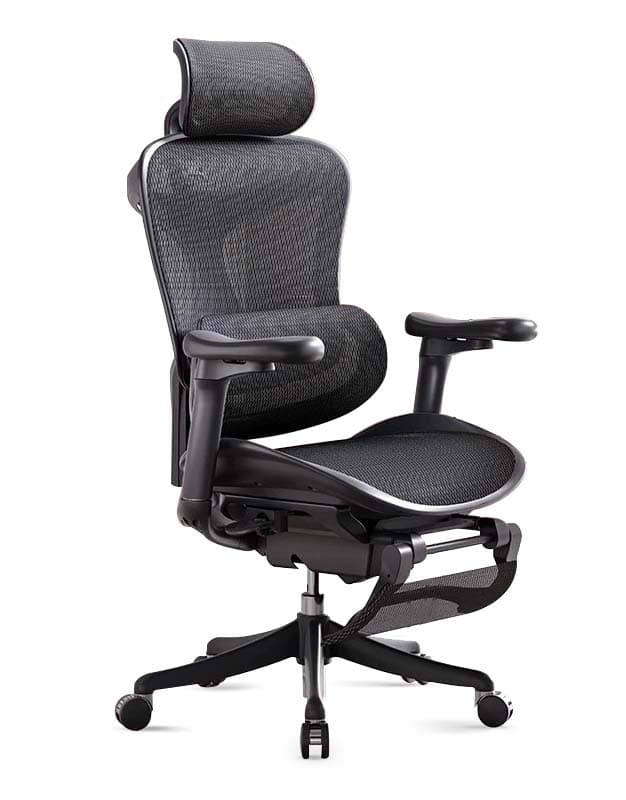
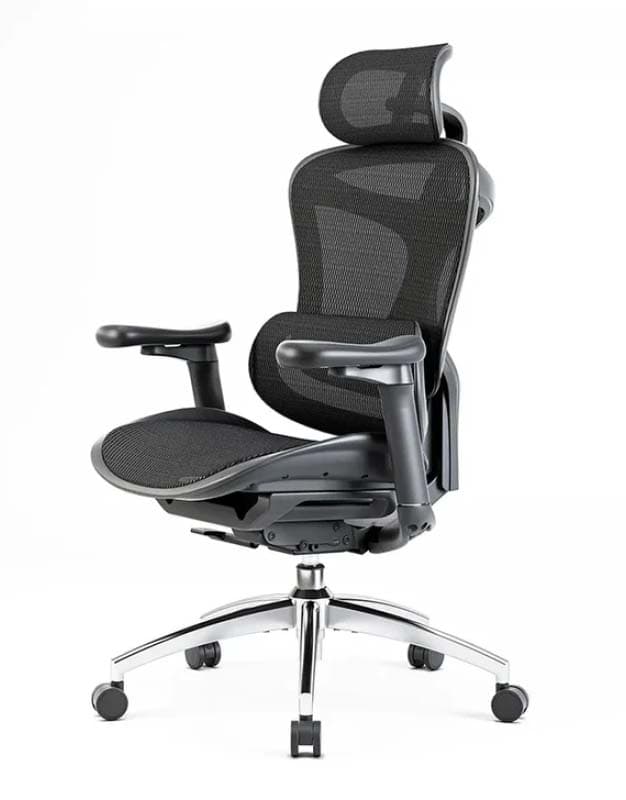
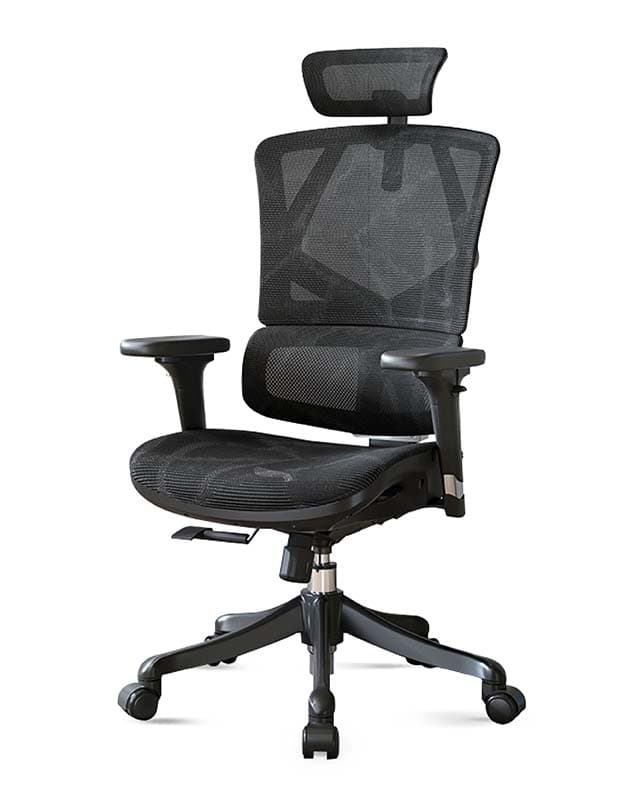
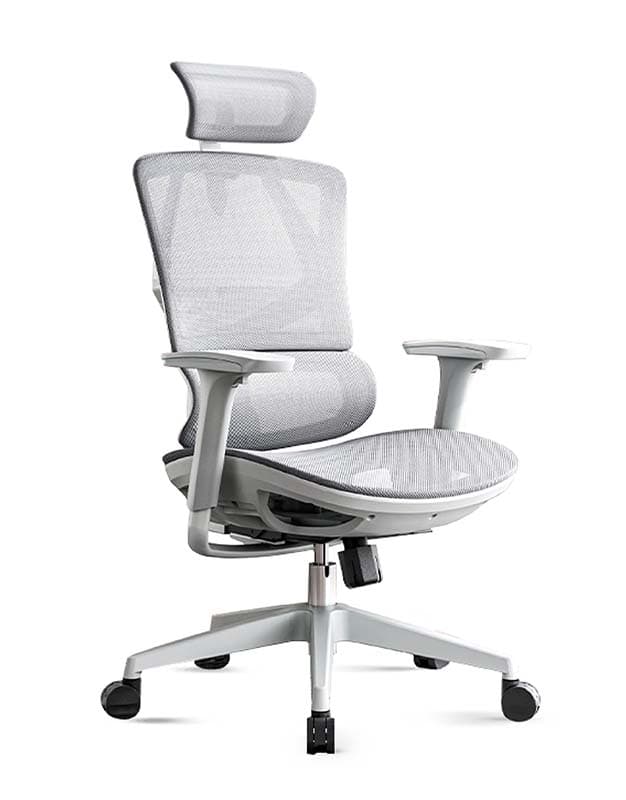


An ergonomic chair is a long-term investment in your health and work performance, especially if you sit for many hours a day. Even though ergonomic chairs are designed to be durable, proper care still matters, so that the body support and comfort stay at a good level throughout the chair's life.
This article gathers 5 tips for caring for your ergonomic chair, recommended by the Sihoo Thailand team and based on real-world experience and international standards for looking after office furniture, so that your chair gives you the best value for as long as possible.
Frequently Asked Questions (FAQ)
How often should I look after my ergonomic chair?
Wipe down the surfaces of your ergonomic chair every week, and check the mechanical parts every 3-6 months to make sure the height adjustment and the casters still work normally.
What is the right way to clean an ergonomic chair?
Wipe the surfaces with a clean, slightly damp cloth or a multi-purpose cleaner that contains no strong acids or alkalis. For mesh chairs, use a soft brush to dust the mesh, and for PU leather, avoid strong alcohol.
How long does a Sihoo ergonomic chair last?
In general, a premium ergonomic chair such as a Sihoo has a service life of 5-10 years or more, depending on how often it is used and how well it is cared for.
1. Clean regularly and the right way
Dust, sweat and dirt that build up on the surface of an ergonomic chair affect hygiene and also make the materials wear out faster. Cleaning in the way that suits your chair's material is a basic step that should be done regularly.
For mesh chairs
- Dust with a soft brush or a low-suction vacuum cleaner
- Wipe with a damp cloth, without wringing it out completely
- Let it dry completely before sitting down, and do not leave it in direct sunlight
For PU leather or faux leather chairs
- Wipe with a cleaner made specifically for leather, or mild soapy water
- Avoid alcohol, benzine and cleaners containing acid
- Apply leather conditioner every 3-4 months to prevent cracking

2. Check and adjust the mechanical parts regularly
A good ergonomic chair has adjustments in several places, including height, backrest tilt and armrests. Using these mechanisms over and over for a long time can cause wear or loosen the nuts.
What to check every 3-6 months
- All nuts and fixing pins: tighten them if you find any loose
- Height adjustment mechanism: test that it still raises and lowers smoothly
- Recline mechanism: check that it locks at every angle it was designed for
- Armrests: check that they adjust along their intended tracks and do not make noise
If any mechanism is not working properly, contact your dealer or Sihoo Thailand customer service right away so that an expert can look after it correctly.
3. Look after the casters and base
The casters and the base of the chair carry the most weight and friction. If dust, hair or debris is left wound around the wheels, the chair will not roll easily and may unintentionally damage the floor.
- Take the casters off every 2-3 months to clean them: pull them off the stem and use a brush or pliers to remove dirt
- Apply a lubricant that does not attract dust to the caster stem, so the chair rolls smoothly and quietly
- Check that the base has no cracks or chips, especially on models with a polymer base, as overloading can make it break
- For wooden or laminate floors, choose soft casters designed specifically for these surfaces
4. Keep the chair adjusted to suit your body
An ergonomic chair is designed to support the user's body. Adjusting it correctly and consistently is not only good for your health; it also keeps important parts from being used at angles they were not designed for, which is the main cause of premature wear.
Recommended standard settings
- Chair height: adjust so that the backs of your knees form a 90-degree angle and your feet rest flat on the floor
- Seat depth: there should be a gap of about 2-4 inches between the edge of the seat and the back of your lower legs
- Lumbar support: adjust it to fit the curve of your lower back, without feeling too pushy or too hard
- Armrests: they should be at a level where your shoulders are not raised or hunched when your arms rest on them
Review these settings when you change your desk, or when several people take turns using the same chair.
5. Store the chair properly and protect it from the environment
The environment where you use the chair has a direct effect on its lifespan. Sunlight, humidity and being placed in an unsuitable area can all make the materials deteriorate faster than normal.
- Avoid placing the chair where it is exposed to direct sunlight for long periods, as UV can degrade and fade mesh or leather
- In very humid rooms, turn on a fan or air conditioner to reduce humidity, which helps prevent mold on the seat material
- Do not leave heavy objects on the chair when it is not in use, as they may deform the load-bearing structure
- If you will store the chair for a long time, cover it with a cloth or dust bag to keep dirt from settling on it
Summary
Caring for an ergonomic chair is not complicated. Just clean it regularly, check the key parts, look after the casters and base, adjust it to suit your body, and protect it from environmental damage. Your Sihoo chair will then keep supporting your health and your work efficiently for a long time.
If you are looking for a high-quality ergonomic chair designed for long-term use, or want to ask more about caring for Sihoo products, you can contact the Sihoo Thailand team directly through our customer service channels.
About the author (E-E-A-T)
This article was prepared by the Sihoo Thailand team, the official importer and distributor of Sihoo ergonomic chairs in Thailand, drawing on the brand's product care manuals and international standards for caring for office furniture.